
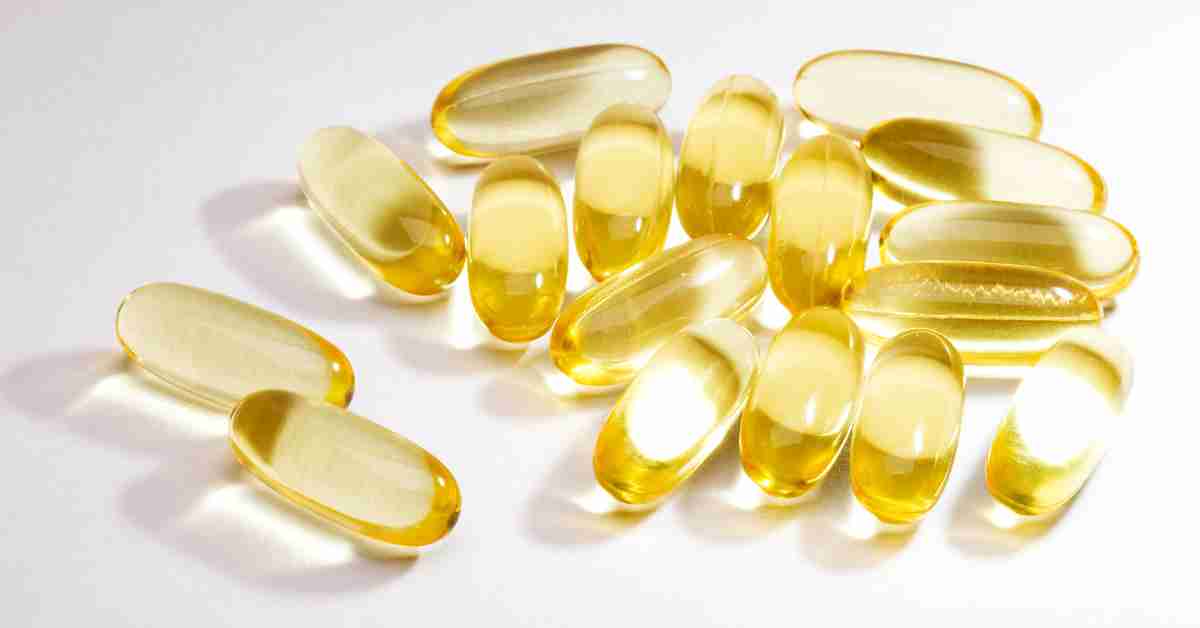
Short answer: If you eat oily fish such as salmon, sardines or mackerel twice a week, you probably don’t need a fish oil supplement. For healthy people, large trials found that about 1 gram a day of fish oil didn’t lower the risk of heart disease or cancer. Fish oil does lower high triglycerides at prescription doses, and DHA matters in pregnancy. Higher doses slightly raise the risk of atrial fibrillation, so don’t take more than 1 gram a day unless your doctor advises it, and choose a product that’s tested for freshness and purity.
Fish oil is one of the best-selling supplements in the world. It’s taken for heart health, joints, the brain, the eyes and mood. The research behind it is large, but the results are more mixed than the marketing suggests. This guide explains what omega-3 fats do, who might benefit from a supplement, how much to take, the risks, and how to choose a good product.
For more buying guides, see our supplement guides.
Fish oil supplements at a glance
- Key omega-3s
- EPA and DHA
- Official daily target for EPA and DHA
- None set; ALA target is 1.6 g for men and 1.1 g for women
- Food first
- Oily fish twice a week
- Typical supplement dose
- 250 to 1,000 mg EPA and DHA combined
- Strongest evidence
- Lowering high triglycerides (prescription doses)
- Main risk at higher doses
- Atrial fibrillation; bleeding with blood thinners
- Vegan option
- Algae oil
EPA, DHA and ALA explained
Omega-3s are a family of polyunsaturated fats your body can’t make in useful amounts, so they have to come from food. There are three main types:
- EPA (eicosapentaenoic acid) and DHA (docosahexaenoic acid) are found mainly in fish and seafood. DHA is a major building block of the brain and the retina. These are the omega-3s in fish oil.
- ALA (alpha-linolenic acid) is found in plants such as flaxseed, chia seeds and walnuts. The body converts only a small fraction of ALA into EPA and even less into DHA.
The US National Academies set an Adequate Intake only for ALA: 1.6 grams a day for men and 1.1 grams for women. There’s no official target for EPA and DHA, though the American Heart Association suggests about 1 gram a day of EPA and DHA for people who already have heart disease, preferably from fish. For plant sources of ALA, see our chia vs flax seeds comparison.
Do you need a fish oil supplement?
Most people don’t, if they eat seafood. Two servings a week of oily fish, such as salmon, sardines, trout, herring or mackerel, provide roughly 250 to 500 mg of EPA and DHA a day on average, along with protein, vitamin D and selenium. A supplement may make sense if:
- You rarely or never eat fish.
- You’re pregnant or breastfeeding and don’t eat fish, as DHA supports the baby’s brain and eye development.
- Your doctor has recommended it for high triglycerides.
- You follow a vegan diet, in which case algae oil is the plant-based option.
What the research shows
Each finding below carries an evidence label, explained in our editorial policy.
Lowering triglycerides Strong evidence
Omega-3s lower blood triglycerides, a type of fat linked to heart disease. Prescription omega-3 medicines at 4 grams a day are approved for people with very high triglycerides. Lower supplement doses have smaller effects. If you have high triglycerides, use the treatment your doctor recommends rather than self-dosing with supplements.
Heart disease prevention Moderate evidence
For healthy people, the results are disappointing.
What the research actually found
- What
- VITAL, a large US randomized trial of 1 gram a day of fish oil (460 mg EPA and 380 mg DHA) versus placebo
- Size
- About 25,900 adults aged 50 and older without heart disease, followed for about 5 years
- Result
- No significant reduction in major cardiovascular events, stroke, cardiovascular death or cancer. Heart attacks were 28 percent lower, a secondary finding that needs confirmation.
- Limits
- Participants generally had low risk; results may differ in people who eat very little fish
In people at high risk who were already taking statins, the REDUCE-IT trial found that 4 grams a day of a prescription form of EPA (icosapent ethyl) cut cardiovascular events by 25 percent. A similar trial of a different high-dose omega-3 product, STRENGTH, found no benefit. These are prescription medicines at high doses, not typical supplements.
Pregnancy and infant development Moderate evidence
DHA is important for a baby’s brain and eye development. Health agencies advise pregnant women to eat 8 to 12 ounces a week of low-mercury seafood. Guidelines suggest a daily intake of at least 250 mg of EPA and DHA, plus an extra 100 to 200 mg of DHA, during pregnancy, which may reduce the risk of early preterm birth. Women who don’t eat fish should talk to their care team about a supplement.
Depression Limited evidence
Some trials suggest omega-3 supplements with a high proportion of EPA may help as an add-on to standard treatment for depression, but results are inconsistent. They’re not a substitute for proven treatments.
Joints, eyes and memory Limited evidence
Fish oil may modestly ease joint pain and stiffness in rheumatoid arthritis. A large trial found omega-3 supplements didn’t improve dry eye disease more than placebo, and supplements haven’t been shown to protect memory or lower dementia risk in healthy older adults.
How much to take
- General health, if you don’t eat fish: 250 to 500 mg of EPA and DHA combined a day is a common target, similar to what two servings of oily fish provide.
- Pregnancy: follow your care team’s advice; many prenatal products contain 200 to 300 mg of DHA.
- High triglycerides: only the dose your doctor prescribes.
- Upper amounts: FDA says supplement labels shouldn’t recommend more than 2 grams of EPA and DHA a day. Stay at or below 1 gram a day unless your doctor advises more, because of the atrial fibrillation risk below.
Check the label carefully. A “1,000 mg fish oil” capsule often contains only about 300 mg of EPA and DHA combined; the rest is other fats. The Supplement Facts panel lists EPA and DHA separately. Take fish oil with a meal that contains fat, which improves absorption and reduces fishy burps. Our guide on how to read a supplement label explains what to look for.
Tip: if fish oil gives you fishy burps, try taking it with your largest meal, keeping capsules in the fridge, or switching to an enteric-coated product.
Side effects, risks and interactions
Fish oil is generally safe at common doses. Mild side effects include a fishy taste, burping, heartburn, nausea and loose stools.
The most important risk is atrial fibrillation, an irregular heart rhythm that raises stroke risk. A 2021 analysis of seven trials with more than 81,000 people found omega-3 supplements were linked to about a 25 percent higher risk of atrial fibrillation overall, with the risk rising at doses above 1 gram a day. Most of the people in these trials had or were at risk of heart disease.
Who should be careful
- Atrial fibrillation or other heart rhythm problems: talk to your cardiologist before taking fish oil.
- Blood thinners: high doses may increase bleeding time. Fish oil at moderate doses doesn’t usually affect warfarin, but your INR should be monitored; tell your doctor if you take warfarin, apixaban, clopidogrel or aspirin.
- Surgery: tell your surgical team, and ask whether to stop high doses beforehand.
- Fish or shellfish allergy: choose algae oil, or ask an allergist; krill oil comes from shellfish.
- Blood pressure medicines: omega-3s can lower blood pressure slightly, adding to their effect.
- Cod liver oil: it contains vitamin A and vitamin D, so don’t combine it with other supplements containing them, and avoid high doses in pregnancy because of vitamin A.
See also our medical disclaimer.
Fish oil, krill oil, cod liver oil and algae oil
| Type | Source | Main points |
|---|---|---|
| Fish oil | Oily fish such as anchovy, sardine and mackerel | Most studied and usually cheapest per gram of EPA and DHA |
| Concentrated fish oil | Fish oil processed to raise EPA and DHA | Fewer capsules needed; often in ethyl ester or re-esterified triglyceride form |
| Krill oil | Antarctic krill (a shellfish) | Lower doses per capsule and more expensive; no clear advantage proven |
| Cod liver oil | Cod livers | Contains vitamins A and D as well; watch the totals |
| Algae oil | Microalgae | Vegan; mainly DHA, often 100 to 300 mg per serving |
All forms provide EPA and DHA; the differences in absorption between triglyceride and ethyl ester forms are small when taken with a meal.
How to choose a fish oil supplement
- Check EPA and DHA per serving, not the total fish oil, and how many capsules make a serving.
- Look for third-party testing: USP Verified, NSF, or IFOS (International Fish Oil Standards) test for label accuracy, freshness (oxidation) and contaminants such as mercury and PCBs.
- Check freshness: buy from brands that publish oxidation results, check the expiry date, and store capsules in a cool place. A strong rancid smell means the oil has gone off.
- Compare cost per 500 mg of EPA and DHA, not per bottle.
- Consider sustainability: look for certification from the Marine Stewardship Council or Friend of the Sea.
- Skip big claims: products promising to cure arthritis, depression or heart disease are overselling.
Fish oil is often taken alongside vitamin D. Our vitamin D guide covers the same VITAL trial’s findings for vitamin D.
Fish oil FAQ
Is it good to take fish oil every day?
For most healthy adults, a moderate daily dose is safe, but it’s only useful if you don’t eat oily fish. If you eat fish twice a week, a supplement adds little.
How much fish oil should I take a day?
A common target is 250 to 500 mg of EPA and DHA combined. Don’t take more than 1 gram a day without medical advice.
Does fish oil help your heart?
It lowers high triglycerides, but large trials found typical doses didn’t prevent heart attacks, strokes or heart deaths in healthy people. A prescription form helped some high-risk patients.
Is krill oil better than fish oil?
There’s no good evidence that krill oil works better. It usually contains less EPA and DHA per capsule and costs more.
Can vegans get omega-3s?
Yes. Algae oil provides DHA and sometimes EPA. Flaxseed, chia seeds and walnuts provide ALA, though the body converts little of it to EPA and DHA.