
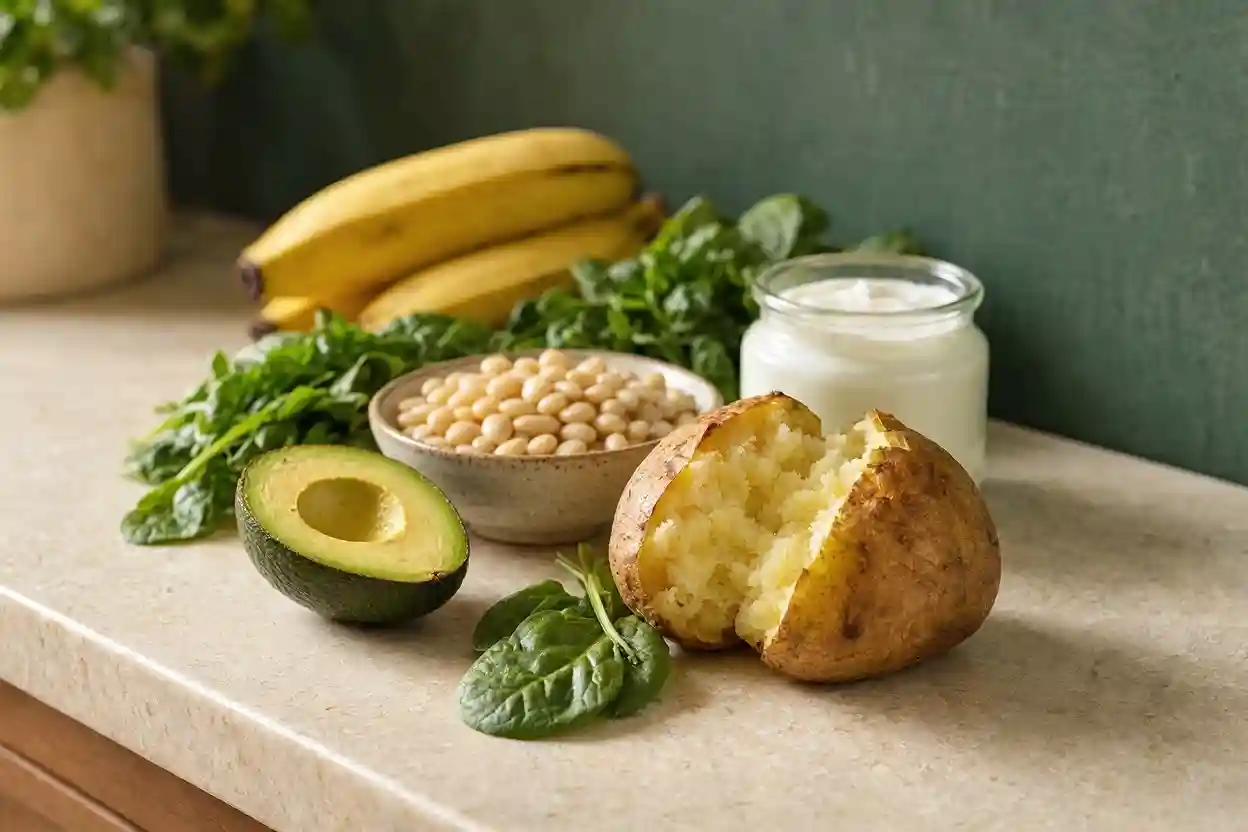
Short answer: Potassium comes from many foods, including beans, potatoes, vegetables, fruit and dairy foods. People with a prescribed potassium restriction need individual advice about suitable portions.
Foods High in Potassium: Top 20 Sources and Their Benefits
Potassium is an essential mineral that plays a key role in various bodily functions, including maintaining healthy blood pressure, supporting muscle function, and balancing fluids. Many people do not get enough potassium in their diets, which can lead to various health issues. Here’s a comprehensive look at foods high in potassium, along with their benefits and the potassium amounts you can expect per serving.
1. Bananas
Bananas are one of the most well-known sources of potassium. One medium banana contains about 422 mg of potassium. They are also a good source of vitamin C and dietary fiber.
2. Sweet Potatoes
A powerhouse of nutrients, one medium sweet potato provides approximately 540 mg of potassium. They are rich in beta-carotene, promoting eye health and boosting immunity.
3. Spinach
Leafy greens like spinach are excellent for your health. One cup of cooked spinach contains roughly 839 mg of potassium. Spinach is also packed with vitamins A and C, iron, and magnesium.
4. Avocados
These creamy fruits are not only great for your taste buds but also provide around 975 mg of potassium per medium avocado. They contain healthy fats and fiber that promote heart health.
5. White Beans
White beans are a fantastic source of potassium. One cup of cooked white beans can provide you with about 1,189 mg of potassium. They are also loaded with protein and fiber.
6. Potatoes
A medium baked potato with skin offers approximately 926 mg of potassium. Potatoes also come with a healthy dose of vitamin C and B6.
7. Beets
One cup of boiled beets packs around 518 mg of potassium. Beets are rich in antioxidants and can help reduce blood pressure levels.
8. Tomatoes
Tomatoes, particularly in their cooked form, are beneficial. One medium tomato contains about 292 mg of potassium, while tomato sauce has even more. This fruit is also a great source of lycopene, an antioxidant.
9. Oranges
A medium orange provides about 237 mg of potassium. They are also well-known for their vitamin C content, which helps boost immunity.
10. Yogurt
A cup of nonfat yogurt offers approximately 573 mg of potassium. Yogurt is also a great source of calcium and probiotics for gut health.
11. Salmon
Eating fish like salmon, which contains roughly 628 mg of potassium per 3-ounce serving, is beneficial for heart health. It’s also packed with omega-3 fatty acids.
12. Coconut Water
This refreshing drink has about 600 mg of potassium in one cup. Coconut water is natural and can help with hydration after exercise.
13. Brussels Sprouts
Brussels sprouts are nutrient-dense. One cup of cooked Brussels sprouts contains around 504 mg of potassium. They are high in fiber and vitamins K and C.
14. Avocado
A medium avocado contains about 975 mg of potassium. Beyond potassium, avocados are high in healthy fats that support heart health.
15. Peas
One cup of cooked green peas offers about 357 mg of potassium. They are a good source of plant-based protein and fiber.
16. Butternut Squash
This seasonal favorite provides around 582 mg of potassium per one cup cooked. It’s also rich in vitamins A and C.
17. Dried Fruits
Dried apricots are packed with potassium, offering about 1,101 mg per 1/2 cup. They make for a convenient and tasty snack.
18. Pomegranate
One medium pomegranate contains approximately 666 mg of potassium. Along with potassium, pomegranates are full of antioxidants.
19. Cod
Cod is another fish that can contribute to your potassium intake. A 3-ounce serving contains around 284 mg of potassium.
20. Carrots
One cup of raw carrots has about 400 mg of potassium. Carrots are also a great source of beta-carotene, promoting good vision.
These foods into your diet can help you achieve your daily potassium needs, which is around 2,500 to 3,000 mg for most adults. By enjoying a variety of these potassium-rich foods, you can support your overall health and well-being.
The Importance of Potassium for Your Health
Potassium plays a pivotal role in maintaining your overall health. This essential mineral is vital for many bodily functions, including heart health, muscle function, and nerve signaling. Including potassium-rich foods in your diet can help prevent a range of health issues and promote positive bodily functions.
Why Potassium is Essential
Potassium is an electrolyte, which helps balance fluids in your body. Maintaining the right potassium level is crucial for muscle contractions and nerve signaling. It also assists in regulating blood pressure. When your potassium levels are adequate, you can maintain optimal cardiovascular health. Conversely, low levels of potassium may lead to a condition known as hypokalemia, resulting in weakness and irregular heart rhythms.
How Potassium Benefits Your Body
Sufficient potassium into your diet provides a wealth of benefits. Here are key ways it supports your health:
- Blood Pressure Regulation: Potassium helps reduce sodium’s effects in the body, which can lower blood pressure.
- Muscle Function: It keeps muscles, including your heart, functioning properly and helps prevent cramps.
- Nerve Function: Adequate potassium levels ensure that your nerves work well, allowing for smooth communication between the brain and muscles.
- Hydration: Potassium helps balance fluids and electrolytes, promoting proper hydration levels.
- Bone Health: Studies suggest that potassium may help decrease calcium loss from bones, supporting skeletal health.
Potassium-Rich Foods
If you’re looking to increase your potassium intake, numerous food sources can provide this essential nutrient. Here are some of the top foods high in potassium:
- Bananas: Approximately 422 mg of potassium per medium banana.
- Sweet Potatoes: About sweet potato contains around 438 mg.
- Spinach: A cooked cup contains roughly 839 mg.
- Avocados: One whole avocado provides about 975 mg.
- Potatoes: One medium potato has approximately 926 mg.
- Beans: A half-cup of white beans packs around 595 mg.
- Tomatoes: A cup of canned tomatoes can provide around 657 mg.
- Yogurt: A single serving of low-fat yogurt contains roughly 531 mg.
- Oranges: One medium orange has about 237 mg.
- Prunes: A half-cup of prunes contains about 637 mg.
- Fish: Sockeye salmon offers approximately 683 mg per 3 oz serving.
- Nuts: Pistachios contain around 290 mg per ounce.
- Beet Greens: Cooked beet greens have around 1,150 mg per cup.
- Squash: A cup of cooked butternut squash can provide about 582 mg.
- Mangoes: One mango contains roughly 277 mg.
- Coconut Water: One cup provides approximately 600 mg of potassium.
- Swiss Chard: Cooked Swiss chard contains about 961 mg per cup.
- Kiwi: One kiwi offers roughly 237 mg.
- Bok Choy: One cup of cooked bok choy contains around 630 mg.
- Artichokes: A medium artichoke provides about 474 mg.
These foods into your meals can effectively increase your potassium levels. For optimal health, consider aiming for a daily intake of around 2,500 to 3,000 mg of potassium, depending on your specific health needs and lifestyle factors.
Signs of Potassium Deficiency
Being low in potassium can lead to several symptoms. If you experience the following, it may be time to evaluate your potassium intake:
- Muscle cramps or weakness
- Fatigue
- Irregular heartbeats
- Digestive issues like constipation
- Numbness or tingling
Listening to your body and ensuring you’re consuming adequate potassium is essential for maintaining optimal health. By being mindful of your diet and incorporating these potassium-rich foods, you can support a healthy lifestyle, promote heart health, and enhance overall well-being.
Creative Ways to Incorporate High-Potassium Foods Into Your Diet
High-potassium foods into your diet can be both easy and enjoyable. A diet rich in potassium can help regulate blood pressure and support overall health. Here are some creative ways to include these beneficial foods in your daily meals.
Start with Breakfast
Kick off your day with a potassium boost by adding these foods to your breakfast:
- Banana Smoothie: Blend bananas with yogurt, spinach, and a splash of almond milk. This delicious smoothie not only tastes great but also packs a potassium punch.
- Avocado Toast: Spread ripe avocado on whole-grain toast. Top it with poached eggs for added protein, making for a hearty, potassium-rich meal.
- Oatmeal with Dried Fruits: Stir in dried apricots or raisins into your morning oatmeal for a sweet and nutritious breakfast.
Snack Smart
Snacking doesn’t have to be unhealthy. Consider these high-potassium options:
- Nut Butters: Spread almond or peanut butter on apple slices or whole-grain crackers for a filling snack.
- Greek Yogurt with Banana: Top plain Greek yogurt with sliced bananas and a drizzle of honey for a refreshing treat.
- Vegetable Chips: Make your own chips by baking slices of sweet potatoes or beets, both of which are high in potassium.
Creative Lunch Ideas
For lunch, you can easily incorporate high-potassium foods with these suggestions:
- Quinoa Salad: Mix cooked quinoa with black beans, diced sweet potatoes, and corn. Drizzle with lime juice for a zesty flavor that’s rich in potassium.
- Chili with Beans: Prepare chili using kidney beans and black beans. They’re a wonderful source of potassium and provide ample protein as well.
- Pesto Pasta: Toss whole wheat pasta with pesto made from spinach, nuts, and garlic. Finish with sun-dried tomatoes for an extra potassium boost.
Dinner Delight
When it’s time for dinner, here are some tasty options to include high-potassium foods:
- Stir-Fry: Create a stir-fry with broccoli, bell peppers, and edamame. Use soy sauce and ginger for flavor, helping you pack your plate with potassium.
- Baked Potatoes: Bake russet potatoes and load them up with Greek yogurt, chives, and a sprinkle of cheese. Potatoes are rich in potassium and make for a comforting meal.
- Stuffed Peppers: Fill bell peppers with a mix of rice, black beans, and corn. Bake until tender for a nutrient-rich dinner option.
Hydrating High-Potassium Beverages
Staying hydrated can also include high-potassium drinks:
- Coconut Water: This natural beverage is an excellent source of potassium and is perfect for rehydration after workouts.
- Beverages with Spinach: Blend spinach into your favorite juice or smoothie for an added nutrient boost.
- Fruit-Infused Water: Create water infusions with slices of bananas or oranges. This refreshes your drink while adding potassium.
Don’t Forget Dessert
Yes, you can have dessert while still hitting your potassium goals:
- Chocolate-Dipped Bananas: Freeze banana slices and dip them in dark chocolate for a tasty treat that also satisfies your sweet tooth.
- Potassium-Rich Energy Bites: Mix oats, almond butter, honey, and chopped dried apricots for no-bake energy bites packed with potassium.
These high-potassium food ideas into your meal plans can make it easier to get enough potassium while enjoying delicious flavors. Whether you are blending smoothies or preparing a hearty dinner, the options are endless. Small changes in your diet can lead to significant health benefits while allowing you to enjoy every bite.
Understanding Potassium Deficiency and Its Symptoms
Potassium is a vital mineral that plays a crucial role in several bodily functions, including heart health, muscle contractions, and nerve function. Despite its importance, many people may not consume enough potassium in their diets, leading to potential deficiencies. Understanding potassium deficiency and its symptoms can empower you to take control of your health.
One reason why potassium deficiency may occur is inadequate dietary intake. This can happen if your diet lacks potassium-rich foods. Common causes of low potassium include prolonged vomiting, diarrhea, and the use of certain medications, such as diuretics. Medical conditions like chronic kidney disease can also disrupt the balance of potassium in your body.
Recognizing the Symptoms of Potassium Deficiency
Identifying the symptoms of potassium deficiency is essential for early intervention. You might experience the following signs:
- Muscle Weakness: A common symptom of low potassium is muscle weakness. Since potassium is crucial for muscle function, a deficiency can lead to fatigue and decreased strength.
- Cramping: Muscle cramps and spasms may become more common. You might feel sudden sharp pains in your muscles, often stressing your daily activities.
- Fatigue: Low potassium levels can lead to general feelings of tiredness and lethargy. You may find it harder to stay active or complete daily tasks.
- Heart Palpitations: A low potassium level can affect your heart rhythm. You may notice your heart racing or skipping beats, which can be alarming.
- Numbness or Tingling: Low potassium may cause sensations of numbness or tingling in your extremities, further impacting your daily comfort.
Keep an eye on these symptoms, as they can indicate a potassium deficiency that may need medical attention. It’s important not to ignore them, especially if they persist. Additionally, some people may have mild symptoms that are easily overlooked, making it crucial to stay informed about your body’s needs.
Potential Risks of Long-Term Deficiency
Chronic potassium deficiency can lead to more severe health issues. Without adequate potassium, your muscles, including your heart, may not function properly. This could increase your risk of serious complications like arrhythmias, hypertension, or even strokes. Moreover, serious potassium depletion can lead to a condition known as hypokalemia, which can manifest more severe symptoms and require immediate medical care.
How to Prevent Potassium Deficiency
The best way to prevent potassium deficiency is by incorporating potassium-rich foods into your daily diet. Here are some excellent sources of potassium you should consider:
- Bananas
- Oranges
- Potatoes (with skin)
- Spinach
- Avocados
- Sweet potatoes
- Beans (like white beans and kidney beans)
- Lentils
- Mushrooms
- Artichokes
- Fish (such as salmon and tuna)
- Coconut water
When planning your meals, aim to include a variety of these foods to maintain balanced potassium levels. It’s also wise to consult with a healthcare professional if you suspect you’re experiencing a potassium deficiency or if you’re considering changing your diet significantly.
Understanding potassium deficiency is crucial for maintaining overall health. By recognizing the symptoms and knowing how to prevent it through proper nutrition, you can support your body’s needs. Don’t hesitate to seek advice from health professionals if you have concerns about your potassium levels or if you’re experiencing any of the symptoms listed above. Your health is your wealth, and being informed puts you in a better position to take care of yourself.
Comparing Plant-Based vs. Animal-Based Sources of Potassium
Understanding potassium’s role in your diet is essential for maintaining good health. Potassium is a vital mineral that helps regulate muscle contractions, nerve signals, and fluid balance in the body. You need to consume adequate potassium to support these functions. When it comes to obtaining potassium, you can choose between plant-based and animal-based sources. Each has its unique benefits, and recognizing the differences can help you make better dietary choices.
Plant-based sources of potassium are abundant and often come with added health benefits. Fruits, vegetables, legumes, and whole grains are excellent choices rich in potassium. Here are some notable plant-based sources:
- Bananas: Often touted as the go-to potassium source, a medium banana contains about 422 mg of potassium.
- Sweet Potatoes: A medium sweet potato offers approximately sweet potato contains around 540 mg of potassium.
- Spinach: This leafy green is not only versatile but also packs roughly 839 mg of potassium per cooked cup.
- Avocado: Half an avocado supplies around 487 mg of potassium along with healthy fats.
- Beans: Varieties like black beans and kidney beans can give you 400-600 mg of potassium per cup when cooked.
- Potatoes: A medium-sized white potato has about 941 mg of potassium, especially when the skin is included.
- Tomatoes: One cup of canned tomatoes can contribute about 427 mg of potassium.
- Oranges: A medium orange contains around 237 mg of potassium and adds vitamin C to your diet.
- Melons: Cantaloupe and honeydew provide 400–500 mg of potassium per cup.
- Beets: One cup of cooked beets offers about 442 mg of potassium.
By incorporating these foods into your diet, you can easily achieve your potassium goals while also enjoying a wide array of vitamins and minerals.
On the other side, animal-based sources of potassium can also be significant. These sources often provide more concentrated potassium levels in smaller serving sizes. However, they sometimes contain other nutrients and substances that may not align with everyone’s dietary preferences. Here’s a look at some animal-based potassium sources:
- Salmon: A 3-ounce serving can give you approximately 628 mg of potassium, making it a heart-healthy option.
- Chicken Breast: A 3-ounce serving offers around 256 mg of potassium.
- Beef: Cooking a 3-ounce steak provides about 270 mg of potassium.
- Dairy Products: Yogurt is particularly potassium-rich, with a cup containing about 573 mg. Milk also offers around 388 mg per cup.
- Tuna: A 3-ounce serving of canned tuna has about 410 mg of potassium.
Animal-based sources are effective, but it’s important to balance these with plant-based options for overall heart health. While animal products are nutrient-dense, they may also introduce higher levels of saturated fats and cholesterol into your diet.
When deciding whether to focus on plant-based or animal-based potassium sources, consider your personal dietary needs and preferences. For those on a vegetarian or vegan diet, plant-based sources will be your primary option. If you consume animal products, a combination of both types may serve you best.
Ultimately, the best approach is to include a variety of potassium-rich foods, whether they’re plant-based or animal-based. This ensures you not only meet your potassium needs but also gain a wide range of nutrients. Always remember to consult with a healthcare provider or nutritionist to tailor a diet that suits your personal health goals.
Both plant-based and animal-based foods offer excellent sources of potassium. By combining these foods and being mindful of your overall dietary patterns, you can create a balanced, nutrient-rich meal plan that supports your health and well-being.
Conclusion
Ensuring that you consume enough potassium is crucial for maintaining your overall health. The top 20 sources of potassium not only provide essential nutrients but also offer numerous health benefits. foods rich in potassium into your daily meals can help keep blood pressure in check, support muscle function, and maintain healthy nerve signals.
Understanding the importance of potassium highlights how vital it is to your well-being. As you explore various options, remember that both plant-based and animal-based sources can contribute significantly to your potassium intake. From bananas and avocados to spinach and fish, the variety is vast and accessible. You don’t have to limit yourself to one type; mixing both sources can offer a broader spectrum of nutrients.
Creativity in the kitchen can make consuming high-potassium foods enjoyable and flavorful. Try adding mashed avocados to sandwiches, tossing leafy greens into smoothies, or cooking beans into hearty soups. Small changes in how you prepare meals can have big impacts on your potassium levels.
It’s also important to recognize the signs of potassium deficiency. Symptoms like muscle cramps, fatigue, or irregular heartbeat can be indicators that your potassium levels are low. If you notice these signs, consider evaluating your diet to ensure you’re hitting your potassium goals.
Making potassium-rich foods a staple in your diet fosters not just health, but creativity in your cooking. Remember, the journey to better health is not just about what you eat, but how you choose to integrate those foods into your life. Embrace the power of potassium for a healthier you!
Nutrition amounts are approximate. Variety, portion weight, cooking and brand can change the values. Compare the stated serving and use a product label or a food composition database for precise calculations.