
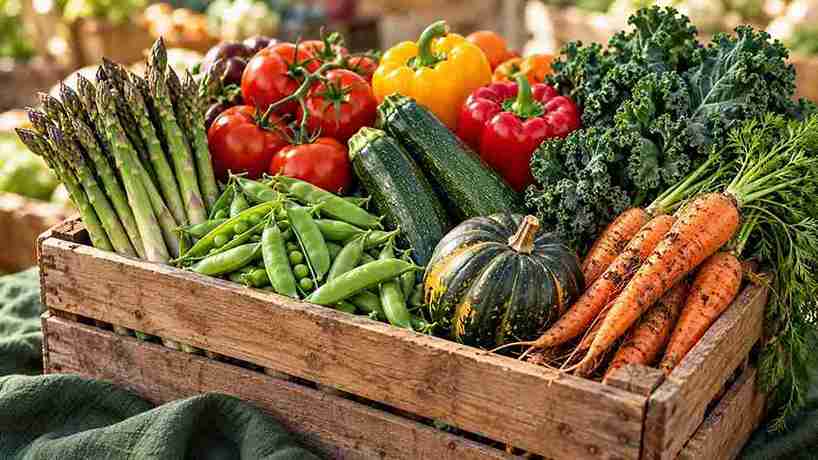
Short answer: Vegetable harvest months differ by climate, state and growing method. These monthly suggestions are a general US shopping guide, not a guarantee of local availability.
Vegetables in Season by Month: A Comprehensive US Guide
Knowing what vegetables are in season each month can significantly enhance your meals. Not only do seasonal vegetables taste better, but they are also often fresher and more affordable. Here’s a detailed guide to help you discover which vegetables to look for month by month in the United States.
January
As winter continues, root vegetables dominate the scene. In January, you can enjoy:
- Carrots
- Beets
- Turnips
- Winter squash
- Parsnips
These hearty vegetables are perfect for warm soups or roasted dishes.
February
February keeps the spirit of winter alive, and you can still find plenty of robust veggies:
- Cabbage
- Collard greens
- Potatoes
- Sweet potatoes
- Onions
The earthy flavors from these vegetables can brighten your winter recipes.
March
In March, spring is just around the corner, and you will find a mix of winter and early spring crops:
- Spinach
- Radishes
- Asparagus
- Leeks
- Spring onions
These vegetables are perfect for salads or quick stir-fries.
April
April brings a fresh wave of spring vegetables:
- Peas
- Broccoli
- Artichokes
- Asparagus
- Radishes
This is the time to enjoy vibrant colors and crisp flavors in your meals.
May
May heralds the arrival of even more greens and beginnings of warm-season crops:
- Beet greens
- Lettuce
- Chard
- Snap peas
- Cauliflower
May is ideal for tossing fresh salads with these nutritious options.
June
With the summer solstice approaching, June brings a bounty of choice:
- Tomatoes
- Cucumbers
- Zucchini
- Bell peppers
- Green beans
Fresh salads and grilled veggies are perfect for your summer barbecues.
July
July is peak season for many summer vegetables:
- Eggplant
- Okra
- Corn
- Green beans
- Summer squash
These are delightful at picnics and gatherings, showcasing their vibrant flavors.
August
As heat continues, August provides a lush garden harvest:
- Tomatoes
- Basil
- Peppers
- Carrots
- Onions
August is perfect for making fresh salsas or adding to hearty dishes.
September
September ushers in the start of fall with a mix of summer and early autumn vegetables:
- Beets
- Broccoli
- Cabbage
- Kale
- Cauliflower
The changing season brings new flavors, ideal for comforting soups.
October
October is a wonderful month to embrace the bounty of fall:
- Pumpkins
- Squash
- Sweet potatoes
- Brussels sprouts
- Turnips
These hearty vegetables are perfect for cozy autumn dishes.
November
In November, many root vegetables are still available as harvest continues:
- Carrots
- Parsnips
- Rutabagas
- Potatoes
- Cabbage
These vegetables are great for thanksgiving feasts and everyday meals.
December
December wraps up the year with a mix of hardy vegetables:
- Winter squash
- Brussels sprouts
- Kale
- Carrots
- Potatoes
End the year on a delicious note with warming dishes that use these seasonal ingredients.
By understanding which vegetables are in season each month, you can make healthier choices while supporting local farmers. seasonal produce into your meals not only benefits your health but also fosters sustainability.
The Nutritional Benefits of Eating Seasonal Vegetables
Eating seasonal vegetables offers numerous benefits for both health and the environment. Seasonal vegetables grow naturally during specific times of the year, making them a delightful choice to include in your diet. Here are some of the nutritional advantages of enjoying these fresh, local produce options.
Maximized Nutrient Content
When vegetables are harvested at their peak season, they are often more flavorful and nutrient-rich. Unlike off-season vegetables, seasonal varieties are picked at the right moment, allowing them to retain more vitamins and minerals. Some key nutrients found in seasonal vegetables include:
- Vitamins: Fresh vegetables are packed with vitamins A, C, and K, which contribute to overall health and immunity.
- Minerals: Seasonal produce provides essential minerals like potassium and magnesium, vital for bodily functions.
- Antioxidants: Many vegetables contain antioxidants that can help reduce inflammation and combat oxidative stress.
Enhanced Flavor
Seasonal vegetables are usually at their peak flavor when harvested during their appropriate time. This means when you consume fresh, in-season produce, you’re likely to enjoy richer tastes and textures. Here are a few examples of delicious seasonal vegetables:
- Spring: Asparagus, peas, and radishes
- Summer: Tomatoes, zucchini, and bell peppers
- Fall: Pumpkins, Brussels sprouts, and sweet potatoes
- Winter: Kale, carrots, and root vegetables
Support for Local Farmers
Buying seasonal vegetables not only benefits your health but also supports local farmers. Purchasing produce grown nearby reduces the carbon footprint compared to imported vegetables, which often require extensive transportation. This local support contributes to the economy and encourages sustainable farming practices.
Cost-Effectiveness
Seasonal vegetables tend to be more affordable than out-of-season options. When produce is in season, there is typically an abundance, leading to lower prices. By focusing on seasonal vegetables, you can enjoy a variety of nutritious foods without straining your budget. You can easily plan meals around these naturally occurring ingredients that usually yield high quantities of vegetables.
Seasonal Eating and Biodiversity
Focusing on seasonal vegetables promotes biodiversity in your diet. When you regularly eat what’s in season, you’re more likely to try a wide variety of vegetables, which can reduce food monotony. Diverse vegetable choices lead to a more balanced intake of nutrients. This variety keeps your meals exciting and delicious while also supporting ecosystems that depend on crop diversity.
Hydration Benefits
Many seasonal vegetables have high water content, which aids in hydration. For instance, cucumbers and tomatoes, both common in summer, provide hydration while delivering essential nutrients. Adequate hydration is crucial for overall health and is especially important during warmer months. By selecting these water-rich vegetables, you are making a refreshing addition to your meals.
How to Incorporate Seasonal Vegetables into Your Diet
Integrating seasonal vegetables into your meals can be simple and fun. Here are some practical tips:
- Visit Local Farmers’ Markets: Explore farmers’ markets in your area where you can discover seasonal vegetables directly from the source.
- Plan Your Meals: Create weekly meal plans that feature in-season vegetables to ensure variety and freshness.
- Experiment with Recipes: Try new recipes that highlight seasonal ingredients. This can help you explore different culinary techniques while enjoying the tastes of the season.
By choosing to eat seasonal vegetables, you’re investing in your health, supporting the local economy, and protecting the environment. Make a habit of seeking out fresh, in-season produce and enjoy the delightful flavors and nutritional benefits it has to offer throughout the year.
How Seasonal Vegetables Can Enhance Your Culinary Experience
Embracing seasonal vegetables can significantly elevate your culinary experience. Using vegetables that are at their peak not only enhances flavors but also supports local agriculture and promotes healthier eating. Here’s how you can make the most of seasonal produce in your kitchen.
Understanding Seasonal Vegetables
Seasonal vegetables refer to those that are harvested during specific times of the year. These fresh options are more flavorful, nutrient-rich, and environmentally friendly. When you use produce that is in season, you enjoy a variety of taste profiles, textures, and colors that can inspire creativity in your cooking.
Benefits of Seasonal Vegetables
- Flavor: Vegetables picked at their peak ripeness often have richer and more vibrant flavors compared to those grown in a greenhouse or shipped from afar.
- Nutritional Value: Freshly harvested seasonal vegetables retain higher levels of vitamins and antioxidants, enhancing your health benefits.
- Cost-Effective: Buying seasonal produce usually means lower prices, as they are more abundant in local markets, reducing transportation costs.
- Environmental Impact: Supporting local farmers by choosing seasonal vegetables reduces carbon footprints, making it a sustainable choice for the planet.
- Variety: Exploring seasonal vegetables opens up a world of flavors and dish possibilities, ensuring your meals are never dull.
How to Incorporate Seasonal Vegetables into Your Cooking
Integrating seasonal vegetables into your meals can be easy and enjoyable. Here are some strategies to help you get started:
- Plan Your Meals: Before grocery shopping, check what vegetables are in season. Planning meals around seasonal produce can guide your menu for the week.
- Try New Recipes: Look for recipes that focus on ingredients currently in season. Websites, cookbooks, and cooking shows often feature seasonal dishes that can inspire you.
- Visit Local Markets: Farmers’ markets usually offer a bounty of seasonal vegetables. Engage with local farmers to learn about the peak seasons for various crops.
- Practice Seasonal Cooking: Experiment with roasting, grilling, or sautéing seasonal vegetables. Each cooking method can bring out different flavors and textures.
- Preserve for Later: If you find a surplus of seasonal produce, consider canning, freezing, or pickling them for enjoyment year-round.
Seasonal Vegetables Guide by Month
Knowing what vegetables are in season each month helps plan your meals effectively. Here’s a guide to help you succeed:
- January: Kale, cabbage, carrots, and Brussels sprouts.
- February: Broccoli, cauliflower, and sweet potatoes.
- March: Spinach, leeks, and radishes.
- April: Asparagus, peas, and artichokes.
- May: Strawberries, asparagus, and rhubarb.
- June: Zucchini, green beans, and tomatoes.
- July: Bell peppers, corn, and eggplants.
- August: Tomatoes, cucumbers, and summer squash.
- September: Apples, pumpkins, and bell peppers.
- October: Sweet potatoes, winter squash, and kale.
- November: Root vegetables, Brussels sprouts, and cabbage.
- December: Carrots, turnips, and parsnips.
Maximizing Your Seasonal Experience
To truly enjoy seasonal vegetables, it’s advisable to engage in a bit of creativity. Consider pairing different seasonal vegetables to create colorful salads or hearty casseroles. The richness of flavors can lead to exciting new family favorites.
Ultimately, cooking with seasonal vegetables not only boosts your culinary repertoire but also aligns your meals with nature’s cycles. By embracing this practice, you’ll enhance both your palate and your connection with the environment around you.
Tips for Sourcing Fresh, Seasonal Vegetables Locally
Finding fresh, seasonal vegetables locally can greatly enhance your meals, while also supporting local farmers and reducing your carbon footprint. Below are some helpful tips that will guide you in sourcing these nutritious veggies effectively.
First, familiarize yourself with the growing seasons in your region. Different parts of the U.S. have varied climates, which influence when certain vegetables are in season. Use seasonal charts that outline vegetables in season by month. Knowing what’s fresh now will help you make informed choices at the grocery store or farmers’ market.
Visit Farmers’ Markets
Farmers’ markets are treasure troves for fresh produce. Shopping at these markets allows you to connect directly with farmers and often purchase vegetables that were harvested only hours before. Here are some benefits of visiting farmers’ markets:
- Fresher Produce: Because the vegetables come straight from the farm, they are fresher than what you find in supermarkets.
- Variety: You can often find local varieties that aren’t available elsewhere. This can add unique flavors to your dishes.
- Support Local Economy: Buying from local farmers helps sustain your community and promotes local agriculture.
Join a CSA
Community Supported Agriculture (CSA) programs are another excellent way to access seasonal produce. By joining a CSA, you pay upfront for a share of the harvest. This guarantees you a weekly supply of fresh vegetables. Here are some advantages of this approach:
- Surprise Variety: Each week brings different vegetables, which encourages you to explore new recipes.
- Connection to Farming: Knowing where your food comes from adds a sense of community and responsibility.
- Freshness: Just like farmers’ markets, CSA vegetables are often harvested the same day they are distributed.
Take Advantage of Local Grocery Stores
Not all grocery stores source their produce equally. Some supermarkets prioritize local items, especially during peak growing seasons. When you shop, look for:
- Seasonal Signs: Many stores label local produce. Check for signs indicating where your vegetables are sourced.
- Farm Partnerships: Stores may have partnerships with local farms, which you can often find in the store’s marketing materials.
- Organic Sections: Organic is often synonymous with local. Explore the organic produce section for fresh vegetables.
Utilize Online Resources
The digital age offers a myriad of resources to help you source fresh, seasonal vegetables. Websites and apps help connect you to local farms, farmers’ markets, and even CSAs. Here’s how to use these tools:
- Farm Finder Apps: Apps like “LocalHarvest” make it easy to find local farms and markets in your area.
- Social Media: Follow local farms on platforms like Instagram or Facebook. Many post updates about what they have available.
- Online Marketplaces: Some farmers sell directly online. Check their websites for delivery or pickup options.
Network with Friends and Family
Often, friends and family may already have connections to local sources of fresh vegetables. Don’t hesitate to ask around. You might discover hidden gems like:
- Home Gardens: Neighbors often grow more vegetables than they can consume. They might share or sell their excess.
- Shared Gardens: Community gardens are becoming popular, allowing multiple people to grow and share produce.
- Family Connections: Relatives with farms or greenhouses can be a direct source for seasonal vegetables.
By following these tips, you can enjoy a wonderful variety of fresh, seasonal vegetables while supporting your local economy and making sustainable choices. With a little effort and creativity, sourcing local produce can become a rewarding part of your routine, enriching both your meals and your community.
Creative Recipes Featuring Seasonal Vegetables Throughout the Year
Seasonal vegetables are not only fresh and flavorful but also packed with nutrients. Cooking with what’s in season can elevate your meals and inspire creativity in the kitchen. Here are some delicious recipes that celebrate the bounty of seasonal vegetables throughout the year.
Winter Recipes
In winter, hearty vegetables like Brussels sprouts, kale, and root vegetables come into play. These ingredients thrive in cold weather and can transform your dishes into warm, comforting meals.
Brussels Sprouts Sauté
- Ingredients: 1 lb Brussels sprouts, 2 tbsp olive oil, 3 cloves garlic (minced), salt, and pepper to taste.
- Instructions: Cut the Brussels sprouts in half. Heat the olive oil in a skillet over medium heat. Add the garlic and Brussels sprouts, and season with salt and pepper. Sauté for 10-12 minutes until golden brown.
Hearty Kale Soup
- Ingredients: 4 cups chopped kale, 2 carrots (diced), 1 onion (chopped), 4 cups vegetable broth, 1 can cannellini beans.
- Instructions: In a large pot, sauté the onion and carrots until soft. Add the broth and kale; simmer for 15 minutes. Add the beans and heat through for an additional 5 minutes.
Spring Recipes
As spring arrives, vegetables like asparagus, peas, and radishes burst onto the scene. Their vibrant colors and fresh flavors can liven up any meal.
Asparagus & Pea Salad
- Ingredients: 1 bunch asparagus, 1 cup peas, 2 tbsp lemon juice, 2 tbsp olive oil, salt, and pepper.
- Instructions: Blanch asparagus in boiling water for 3 minutes, then cool in ice water. Toss with peas, lemon juice, olive oil, salt, and pepper before serving.
Radish Toasts
- Ingredients: 1 bunch radishes (sliced), 1 baguette (sliced), cream cheese, fresh herbs (e.g., chives, dill).
- Instructions: Toast the baguette slices until golden. Spread cream cheese on each slice and top with sliced radishes and herbs.
Summer Recipes
During summer, the vegetable harvest is at its peak, with tomatoes, zucchini, and bell peppers offering a vibrant variety of flavors and colors.
Tomato and Zucchini Gratin
- Ingredients: 2 large tomatoes (sliced), 2 zucchinis (sliced), 1 cup grated cheese, 1 cup breadcrumbs, olive oil, salt, and pepper.
- Instructions: Layer tomatoes and zucchini in a baking dish. Sprinkle cheese and breadcrumbs on top, drizzle with olive oil, and season. Bake at 375°F for 30 minutes until golden.
Stuffed Bell Peppers
- Ingredients: 4 bell peppers, 1 cup cooked quinoa, 1 can black beans, 1 cup corn, taco seasoning.
- Instructions: Preheat the oven to 350°F. Cut the tops off the peppers and remove seeds. Mix quinoa, beans, corn, and seasoning. Stuff the mixture into the peppers and bake for 25-30 minutes.
Fall Recipes
Fall is for warm flavors and vibrant produce like squash, sweet potatoes, and beets. These vegetables can add depth to your meals.
Roasted Butternut Squash Soup
- Ingredients: 1 butternut squash (cubed), 1 onion (chopped), 4 cups vegetable broth, 1 tsp cinnamon, salt, and pepper.
- Instructions: Roast the squash and onion at 400°F until soft. Blend with broth and spices until smooth. Reheat before serving.
Beet and Goat Cheese Salad
- Ingredients: 3 cooked beets (sliced), mixed greens, 1/4 cup goat cheese, 1/4 cup walnuts, balsamic vinaigrette.
- Instructions: In a bowl, combine mixed greens, beets, walnuts, and cheese. Drizzle with vinaigrette and toss before serving.
Cooking with seasonal vegetables allows you to enjoy fresher, tastier meals while supporting local agriculture. These recipes are not only easy to follow but also provide the opportunity to explore new flavors throughout the year. Enjoy the journey of cooking with the seasons!
Conclusion
Embracing the concept of eating vegetables in season offers numerous benefits that extend beyond mere flavor. By aligning your choices with what’s fresh each month, you enhance your meals with maximum nutritional value, as seasonal vegetables often contain higher levels of vitamins and minerals. This practice not only supports your health but also elevates your culinary experiences, allowing you to savor the unique tastes and textures that each season brings.
Shopping for seasonal produce fosters a closer connection with local farmers and encourages sustainable eating habits. It’s fulfilling to know you’re supporting your community while enjoying vegetables at their peak freshness. Utilize local farmers’ markets and community-supported agriculture (CSA) programs to discover the delightful variety that each month offers.
Moreover, experimenting with seasonal vegetables can spark creativity in your cooking. From hearty winter root vegetables to vibrant summer squashes, there are countless possibilities to incorporate into your meals. The recipes available throughout the year can help you make the most of what’s in season while keeping your dining experience exciting and new.
Ultimately, making seasonal choices is simple yet transformative. As you explore the diverse world of vegetables that each month provides, you’ll find that not only is your plate more colorful and nutritious, but your overall connection to food and its sources becomes richer. Dive into the bounty of each season and relish the rewarding journey of farm-fresh eating all year round.
Check your local harvest
US growing regions have different calendars. A fruit or vegetable being sold in a particular month does not mean it was grown locally or harvested that month.
More guides you may find useful: kohlrabi, nopales, high-protein vegetables and fruits in season.