
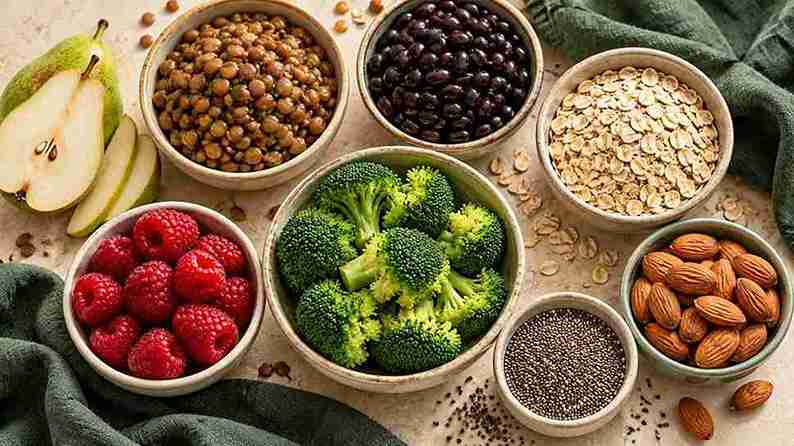
Short answer: Beans, lentils, whole grains, fruits, vegetables, nuts and seeds can all contribute dietary fiber. Compare the amount in the portion you actually eat and increase fiber gradually.
The Importance of Incorporating High-Fiber Foods into Your Daily Diet
High-fiber foods into your diet plays a crucial role in maintaining your overall health. Fiber is essential for digestion, weight management, and preventing chronic diseases. When you consume an adequate amount of fiber, you not only support your digestive system but also improve your body’s ability to absorb nutrients effectively. This article will delve into the various benefits of high-fiber foods and provide you with practical tips to make fiber a part of your daily routine.
The Role of Fiber in Digestion
Fiber primarily aids in digestion by promoting regular bowel movements. It adds bulk to your stool, making it easier for your body to expel waste. This is particularly important for preventing constipation, which can cause discomfort and lead to more severe digestive issues. A diet rich in fiber encourages a healthy gut environment and fosters the growth of beneficial bacteria, further enhancing digestive health.
Weight Management Made Easy
If you’re looking to manage your weight, high-fiber foods can be your best ally. Fiber-rich foods tend to be more filling, which means you are less likely to overeat throughout the day. When you eat fiber, you feel full for longer periods, which curbs cravings and snacking. This can help reduce overall calorie intake without leaving you feeling deprived.
Heart Health and Beyond
High-fiber diets are linked to better heart health. Soluble fiber, in particular, can help lower cholesterol levels, which in turn reduces the risk of heart disease. Foods rich in soluble fiber include oats, beans, and certain fruits like apples and oranges. By making these foods a staple in your diet, you work towards keeping your heart healthy and strong.
Lowering the Risk of Chronic Diseases
Studies have shown that higher fiber intake is associated with a reduced risk of various chronic diseases, including diabetes and certain types of cancer. Fiber helps regulate blood sugar levels, making it beneficial for individuals with diabetes or those at risk of developing the condition. Furthermore, a fiber-rich diet can lower the risk of colorectal cancer, making fiber an important component of cancer prevention strategies.
Easy Ways to Add Fiber to Your Diet
High-fiber foods into your diet doesn’t have to be complicated. Here’s a list of practical foods you can easily add:
- Fruits: Raspberries, pears, and bananas are delicious and full of fiber.
- Vegetables: Broccoli, carrots, and Brussels sprouts can be tossed into salads or steamed as sides.
- Whole Grains: Choose whole grain bread, brown rice, and oatmeal over their refined counterparts.
- Legumes: Beans, lentils, and chickpeas are perfect for soups, stews, and salads.
- Nuts and Seeds: Almonds, chia seeds, and flaxseeds provide a crunchy texture while boosting fiber intake.
Tips for Increasing Fiber Intake
Transitioning to a fiber-rich diet can be simple if you follow these tips:
- Start Slow: If you’re not used to eating fiber, introduce it gradually to avoid digestive discomfort.
- Pair Fiber with Water: Drinking plenty of water can aid digestion and keep things moving in your gut.
- Check Labels: When buying packaged foods, look for those with higher fiber content.
- Make Smart Swaps: Replace white bread with whole grain and choose brown rice instead of white rice.
By focusing on high-fiber foods, you not only enhance your digestive health but also support weight management and reduce the risk of numerous chronic diseases. With such versatile and delicious options available, adding fiber to your daily meals is both beneficial and enjoyable. Remember, small changes can make a significant difference in your health journey. Start incorporating these high-fiber foods today and experience the positive impact they can have on your well-being.
Top Benefits of Fiber for Digestive Health
When it comes to maintaining a healthy digestive system, fiber plays a crucial role. This powerful nutrient is not just essential for keeping your gut functioning properly but also offers a variety of benefits that can improve overall health. Below are some key advantages of incorporating fiber into your diet.
Enhances Gut Health
One of the primary benefits of fiber is its ability to support gut health. Soluble fiber, found in foods like oats and beans, dissolves in water to form a gel-like substance. This process helps to slow digestion and improve nutrient absorption. Insoluble fiber, on the other hand, does not dissolve and adds bulk to the stool, aiding in regular bowel movements. This combination ensures your digestive system operates smoothly, helping to prevent constipation and diverticulosis.
Promotes Healthy Weight Management
Fiber can also be beneficial if you’re looking to manage your weight. High-fiber foods tend to be more filling, which can help you feel satisfied for a longer time. This can lead to reduced calorie intake since you’re less tempted to snack on unhealthy options. Additionally, fiber-rich foods often require more chewing, which slows down your eating pace and gives your body more time to signal when it’s full.
Regulates Blood Sugar Levels
Another important role of fiber is its influence on blood sugar levels. Soluble fiber, in particular, can help regulate the absorption of sugar into your bloodstream. This can lead to more stable blood sugar levels, making it a smart choice for those with diabetes or at risk of developing the condition. By flattening the blood sugar spike after meals, fiber can help improve insulin sensitivity as well.
Supports Heart Health
Diets high in fiber have also been linked to better heart health. Soluble fiber can help lower cholesterol levels, which in turn can reduce the risk of heart disease. Foods such as beans, lentils, and oats are great sources of soluble fiber, making them effective choices for improving heart health. The ability of fiber to aid blood pressure regulation adds yet another layer of benefit.
Boosts Immune Function
A surprising benefit of fiber is its role in boosting your immune system. A healthy gut plays a significant part in your overall immunity, and fiber contributes to maintaining that health by promoting the growth of beneficial gut bacteria. These friendly microbes help your body fight off infections and diseases, enhancing your immune function.
Offers Protection Against Certain Diseases
Research has shown that a high-fiber diet may offer protection against various diseases, including certain types of cancer. Epidemiological studies suggest that fiber-rich diets may lower the risk of colorectal cancer. Fiber helps promote regular bowel movements, which can aid in the elimination of potential carcinogens from the digestive tract.
Improves Digestive Disorders
For those suffering from digestive disorders, fiber can provide significant relief. Conditions like irritable bowel syndrome (IBS), constipation, and even gastroesophageal reflux disease (GERD) can be improved with a high-fiber diet. Increased fiber intake can help alleviate bloating and discomfort, making meals more enjoyable.
How to Increase Fiber Intake
To enjoy the myriad benefits of fiber, consider adding the following foods to your meal plan:
- Fruits: Apples, bananas, and berries are excellent sources.
- Vegetables: Broccoli, carrots, and spinach provide both soluble and insoluble fiber.
- Whole grains: Oats, quinoa, and brown rice are rich in fiber.
- Legumes: Lentils, chickpeas, and black beans are packed with fiber.
- Psyllium: A natural fiber supplement, great for improving intestinal health.
Integrating a variety of these foods into your diet will not only enhance your digestive health but also offer numerous benefits that contribute to your overall well-being. As with any dietary change, it’s advisable to increase fiber intake gradually and pair it with adequate hydration to prevent digestive discomfort.
Creative Ways to Add Fiber to Your Meals
Fiber is a crucial part of a healthy diet, and it can significantly improve your digestion while helping you feel full for longer. If you’re thinking of boosting your fiber intake, there are many creative ways to incorporate high-fiber foods into your meals. Here are some delicious ideas to help you get started.
Start Your Day Right
A great way to increase fiber intake is by enhancing your breakfast. Instead of just cereal or toast, consider the following:
- Oatmeal: Try steel-cut oats or overnight oats. Add fruits like berries or sliced bananas for extra fiber.
- Chia Seed Pudding: Mix chia seeds with almond milk and let it sit overnight. Top it with nuts or fruits in the morning.
- Fiber-Rich Smoothies: Blend kale, spinach, or a banana with a tablespoon of nut butter for a nutritious start.
Creative Lunch Combos
Lunch is another great opportunity to add fiber. Here are some tasty ideas:
- Bean-Based Salads: Black beans or chickpeas mixed with lettuce, tomatoes, and avocado provide a fiber boost.
- Whole Grain Wraps: Use whole wheat tortillas stuffed with veggies, hummus, and protein like turkey or tofu.
- Soup Additions: Bulking up your soup with lentils, peas, or barley can increase the fiber content significantly.
Snack Smart
Snacking doesn’t have to be unhealthy! Keep these fiber-packed snacks handy:
- Popcorn: Air-popped popcorn is a low-calorie snack packed with fiber. Try seasoning with your favorite spices for added flavor.
- Fresh Fruits and Veggies: Carrot sticks, cucumber slices, and apple slices can be dipped in hummus or nut butter for a satisfying crunch.
- Nut Mixes: A mix of nuts with a sprinkle of dried fruits serves as a nutritious on-the-go snack.
Dinner Delights
As dinner rolls around, you can make fiber-focused choices without sacrificing taste:
- Whole Grains: Switch to quinoa, brown rice, or farro instead of white rice or pasta.
- Vegetable Stir-Fry: Load your stir-fry with broccoli, snap peas, and other fiber-rich vegetables.
- Stuffed Peppers: Use brown rice, black beans, and chopped veggies to stuff bell peppers before baking.
Don’t Forget Desserts!
Even desserts can be a source of fiber. Here are sweet options that are as wholesome as they are tasty:
- Fruit Crumbles: Use oats and nuts to create a crunchy topping for baked fruits.
- Fiber-Rich Muffins: Bake muffins using whole wheat flour, oats, and mashed bananas or applesauce.
- Dark Chocolate Dipped Fruit: Dip strawberries or bananas in dark chocolate for a rich treat that retains a good fiber amount.
Experiment and Enjoy
These creative ways to add fiber to your meals are just the beginning. Try mixing and matching these ideas to find what you love the most. The key is to be adventurous in the kitchen and discover a variety of delicious flavors and textures. By enhancing your meals with these high-fiber foods, you can boost your overall health and enjoy the satisfying benefits that come with it!
So, grab those fruits, vegetables, whole grains, and legumes, and start enjoying the delicious ways to increase your fiber intake today!
Comparing Soluble and Insoluble Fiber: What You Need to Know
When it comes to dietary fiber, there are two main types that play vital roles in your health: soluble and insoluble fiber. Understanding these two types can help you make better food choices and improve your overall well-being. Let’s explore what sets them apart and why you need both in your diet.
Soluble fiber dissolves in water and forms a gel-like substance in the digestive system. This type of fiber is found in a variety of foods, such as:
- Oats
- Barley
- Beans and lentils
- Peas
- Fruits like apples, oranges, and berries
- Vegetables including carrots and broccoli
- Chia seeds
- Flaxseeds
- Psyllium husk
Insoluble fiber, on the other hand, does not dissolve in water. Instead, it adds bulk to your stool and aids in moving food through your digestive tract. Foods rich in insoluble fiber include:
- Whole grain products like whole wheat bread and brown rice
- Nuts and seeds
- Vegetables such as cauliflower, green beans, and potatoes
- Fruit skins, especially from apples and pears
- Dark leafy greens like spinach and kale
Both types of fiber offer unique benefits. Soluble fiber is particularly effective at helping to lower cholesterol levels and regulate blood sugar. It does this by slowing digestion and absorption of sugars. As a result, including soluble fiber-rich foods in your diet can help you manage your weight and reduce the risk of heart disease.
Insoluble fiber, meanwhile, plays a crucial role in digestive health. By adding bulk to your stool, it helps prevent constipation and promote regularity. It can also assist in maintaining a healthy gut by supporting beneficial bacteria.
Both soluble and insoluble fiber into your meals can help you achieve a balanced diet. To do this, consider combining different food sources. For example, you might enjoy oatmeal topped with fresh berries (soluble fiber) for breakfast and a salad with mixed greens and chickpeas (insoluble fiber) for lunch. Snacking on raw carrots with hummus is another great way to get both types of fiber in one delicious combination.
If you’re looking to increase your fiber intake, it’s important to do so gradually. This allows your digestive system to adjust without discomfort. Aim for 25 grams of fiber per day for women and 38 grams for men, but remember that individual needs may vary based on your age and level of physical activity.
While fiber is an essential part of a healthy diet, it’s equally important to drink plenty of water. Fiber absorbs water, and staying hydrated helps keep things moving smoothly through your digestive system. Pairing high-fiber foods with adequate water intake can prevent potential digestive discomfort, such as bloating or gas.
Another wise strategy is to read nutrition labels while grocery shopping. Look for products that have a higher fiber content, aiming to choose options with at least 3 grams of fiber per serving. This simple habit can significantly impact your overall intake without requiring major dietary changes.
Both soluble and insoluble fibers are crucial for your health. Understanding their differences and benefits can help you make informed choices. You can enjoy various foods that provide these fibers, and with mindful planning, you can easily boost your fiber intake. By doing so, you’ll not only support digestive health but also enhance your overall nutrition.
Remember, a balanced diet rich in diverse fiber sources will lead to a healthier lifestyle. So why not start today? Incorporate high-fiber foods and experience the numerous health benefits they have to offer!
High-Fiber Snacks: Delicious Options for Every Craving
When you’re looking for a snack, it’s easy to grab something quick and unhealthy. However, making better choices is simpler than you might think. Snacking can actually be nutritious and satisfying when you choose high-fiber options that meet your cravings. Fiber is essential for digestive health and can keep you feeling full longer, making it a great choice for snacking. Here are some delicious high-fiber snacks to satisfy every craving.
Crunchy Snacks
If you love something crunchy, try these options:
- Air-Popped Popcorn: This whole grain snack is not only low in calories but also high in fiber. Use minimal oil or butter for a healthier version.
- Roasted Chickpeas: Season chickpeas with spices and roast them for a crunchy snack that packs protein and fiber.
- Vegetable Chips: Make your own with kale or sweet potatoes, or buy store-bought options that list whole ingredients.
- Puffed Rice Cakes: Top with avocado or nut butter, and you’ll have a tasty, fiber-rich treat.
Sweet Treats
If you have a sweet tooth, consider these high-fiber snacks:
- Fruits with Skin: Apples, pears, and berries are delicious options. Eating the skin increases fiber content significantly.
- Dried Fruits: Apricots, figs, and prunes are packed with fiber, but be mindful of portion sizes as they can be calorie-dense.
- Chia Seed Pudding: Mix chia seeds with your choice of milk or yogurt, let it sit, and you’ll have a creamy treat rich in fiber.
- Nut Butter and Banana: Spread almond or peanut butter on banana slices for a combination of fiber and healthy fats.
Savory Options
For those who crave something savory, try these high-fiber snacks:
- Hummus with Veggies: Dip carrot sticks, cucumber slices, or bell pepper strips into hummus for a delicious snack that’s rich in fiber.
- Whole Grain Crackers: Look for options that are made with seeds or whole grains for added fiber.
- Edamame: These young soybeans are full of fiber and protein. They make for a tasty and satisfying snack that you can lightly salt.
- Greek Yogurt with Flaxseeds: Top your yogurt with flaxseeds or chia seeds for an extra fiber boost.
Quick Bites
If you need a quick bite on the go, consider these easy high-fiber snacks:
- Energy Bars: Look for bars made from whole grains, nuts, and seeds. They are often high in fiber and provide sustained energy.
- Trail Mix: Combine nuts, seeds, and a sprinkle of dried fruit for a fiber-packed snack that’s easy to carry.
- Oats: Cook up some quick oats and add fruits and nuts for a warm snack that satisfies.
- Quinoa Salad: For a more filling option, prepare a quick quinoa salad with vegetables and beans for added texture and fiber.
Half and Half Ideas
Some snacks are perfect for mixing flavors and textures:
- Stuffed Dates: Fill dates with almond butter or cheese for a balanced snack.
- Avocado Toast: Spread avocado on whole grain bread and top with seeds for a delightful fiber boost.
- Fruit and Nut Butter Sandwich: Spread nut butter between apple or pear slices for a quick snack.
Snacking doesn’t have to be unhealthy or boring. By incorporating these high-fiber snack options into your diet, you can enjoy satisfying flavors while also nourishing your body. Whether you’re craving something sweet, savory, crunchy, or chewy, there’s a delicious high-fiber snack waiting for you to discover!
Conclusion
High-fiber foods into your daily diet is more than just a dietary choice; it’s a vital step toward enhancing your overall health. The numerous benefits fiber provides, particularly for digestive health, make it essential for everyone. A well-functioning digestive system not only helps in regular bowel movements but also promotes a healthy gut microbiome, which can influence mood and energy levels.
Finding ways to creatively add fiber to your meals can make the journey enjoyable and flavorful. Whether it’s mixing beans into your favorite salads, adding oats to smoothies, or experimenting with chia seeds in desserts, the options are plentiful. Understanding the difference between soluble and insoluble fiber equips you with the knowledge to choose foods that best support your unique health goals. Soluble fiber is fantastic for lowering cholesterol and regulating blood sugar, while insoluble fiber aids in digestion and prevents constipation.
When cravings hit, having a list of high-fiber snacks on hand can prevent unhealthy munching. From nutty granola bars to a variety of fruits, there’s a delicious option for every taste. By embracing these fiber-rich foods and snacks, you’ll not only nourish your body but also discover new favorites along the way.
Making high-fiber foods a staple in your diet is an empowering choice that enhances your health, promotes longevity, and introduces exciting flavors and textures to your meals. Adopting this approach will surely lead to a happier, healthier you.
Nutrition amounts are approximate. Variety, portion weight, cooking and brand can change the values. Compare the stated serving and use a product label or a food composition database for precise calculations.
More guides you may find useful: high-fiber fruits, Bambara beans, nopales, foods high in potassium and low-sugar fruits.