
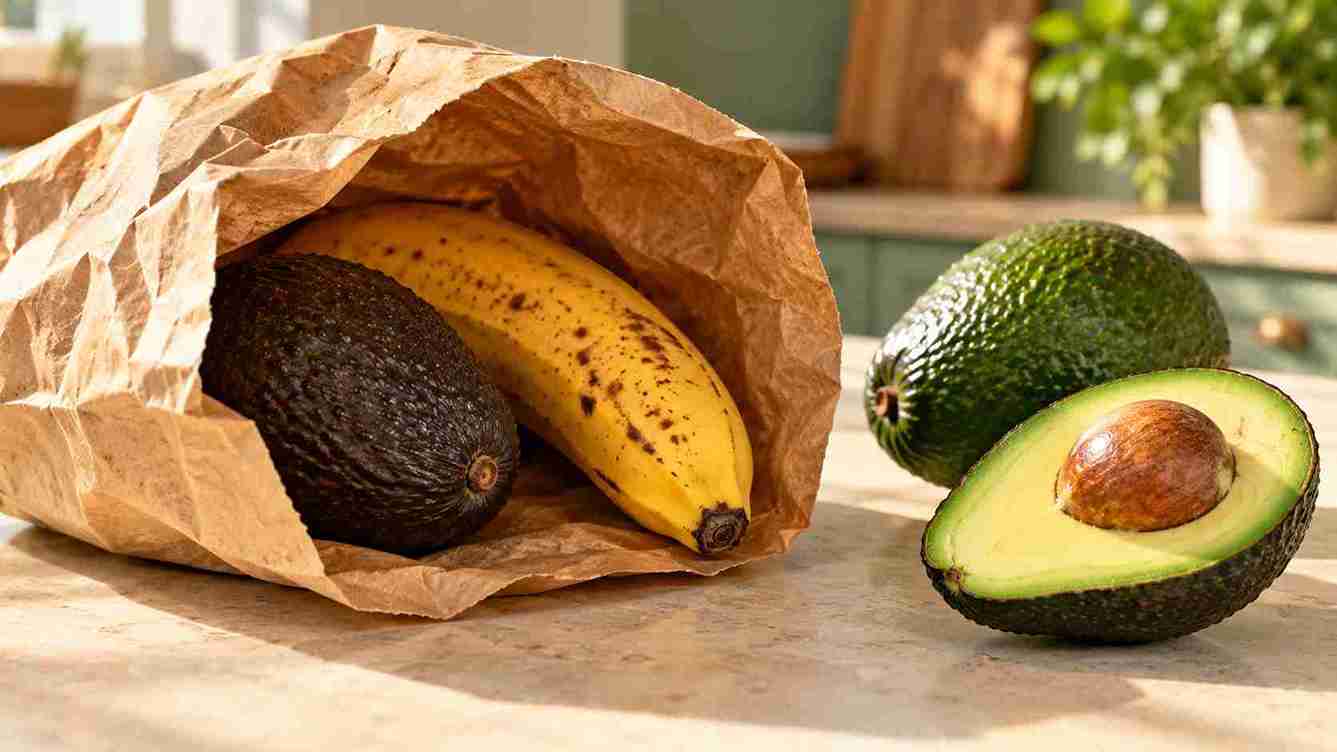
Short answer: A paper bag can help certain fruits ripen by trapping ethylene. This works only for fruits that continue ripening after harvest; it cannot make every unripe fruit sweeter.
Techniques on How to Ripen Fruit Faster at Home
Ripening fruit at home can be an enjoyable and rewarding experience. Whether you’ve just purchased some under-ripe fruit or you’re harvesting your own, knowing how to ripen fruit faster can lead to delicious results. Various techniques can help you achieve perfectly ripe fruit in no time.
One of the most well-known ways to speed up the ripening process is by using ethylene gas. Certain fruits naturally produce ethylene, a hormone that signals the ripening process. Bananas, avocados, and tomatoes are potent producers of this gas. To ripen fruit faster, consider placing the fruit you want to ripen in a paper bag with one or two of these ethylene-producing fruits. The enclosed environment allows the ethylene gas to concentrate, speeding up the ripening process significantly.
Another effective technique is to use a warm spot in your home. Fruit ripens best at room temperature—ideally between 65°F to 72°F (18°C to 22°C). Find a sunny windowsill or a warm counter to place your fruits. Just be cautious with the temperature; too much heat can spoil your fruit instead of helping it ripen. Regularly check the fruit to monitor its progress, and ensure you remove any that shows signs of spoilage to prevent it from affecting others.
- Paper Bag Method: Place your fruits in a paper bag with one or two bananas or avocados to enhance ethylene concentration.
- Warm Location: Keep your fruit at room temperature in a warm spot, avoiding overly hot areas.
- Use of Apples: Apples emit high levels of ethylene. Including an apple in the ripening process can speed it up.
- Rice Method: Submerge hard fruits like peaches and plums in uncooked rice. The rice traps ethylene gas.
- Wrapping Technique: Wrap fruits like tomatoes in newspaper to warm them and create an ethylene-rich environment.
Sometimes, adding a bit of moisture can also help. Place a damp paper towel in the bag when using the paper bag method; the slight humidity can encourage the fruit to soften faster. However, monitor the moisture levels to prevent mold, which can ruin your fruit.
You may wonder which fruits ripen after picking. Many fruits continue to ripen, and understanding which ones will help you decide when to pick them. Here’s a quick list:
- Bananas: These can ripen quickly due to their high ethylene production.
- Avocados: They soften as they ripen, making them perfect candidates for home ripening.
- Peaches: These fragrant fruits will continue to ripen post-harvest.
- Pears: Like peaches, pears improve in flavor and texture off the tree.
- Tomatoes: They ripen and gain flavor after being picked, especially when placed in warmth.
- Plums: Plums will continue to soften, enhancing their sweetness.
In contrast, some fruits do not ripen once picked. Citrus fruits, such as lemons and limes, and grapes will not ripen further after harvesting. It’s essential to select these fruits when they’re at their peak.
Remember to store your ripened fruits properly. Once they reach optimal ripeness, refrigerate them to slow down the aging process. This will help maintain their flavor and texture longer. Also, consider consuming ripened fruits promptly for the best taste and health benefits.
By applying these techniques on how to ripen fruit faster at home, you can enjoy deliciously sweet and flavorful fruit, perfectly suited to your taste preferences. Embrace these straightforward strategies, and you’ll find fruit ripening is not just a science but an enjoyable culinary adventure.
The Science Behind Fruit Ripening Processes
The ripening of fruit is a fascinating process that plays a vital role in producing the flavorful and nutritious fruits we enjoy. Ripening refers to the series of physiological and biochemical changes that fruit undergoes as it transitions from an immature state to a mature one. Understanding this process can help you enhance your fruit’s taste and texture at home, and it can also provide insight into which fruits continue to ripen after being harvested.
One of the key players in the fruit ripening process is ethylene, a plant hormone that acts as a signaling molecule. Ethylene production increases as fruits mature. This gas initiates several processes, including the breakdown of chlorophyll, the pigment responsible for the green color of unripe fruits. As chlorophyll fades, other pigments, such as carotenoids and anthocyanins, emerge, giving ripe fruits their vibrant colors. For example:
- Bananas transition from green to yellow.
- Tomatoes shift from green to red.
- Mangoes change from green to a rich yellow or orange.
In addition to color changes, ripening fruits undergo texture modifications as well. The conversion of starches into sugars during ripening enhances sweetness, making fruit more palatable. The firm texture of unripe fruit softens due to the breakdown of pectin in the cell walls, creating that delicious juicy bite when eaten. This biochemical transformation is essential for attracting animals that will help disperse the seeds.
Temperature plays a significant role in the ripening process. Generally, fruits ripen faster at warmer temperatures. However, different fruits have their specific optimal ripening conditions. For instance, bananas and avocados thrive in temperatures around 60-70°F, while berries prefer cooler environments to delay ripening. Adjusting the environment can speed up ripening when needed. Here are some methods to ripen fruit faster:
- Use Ethylene Gas: Place fruits like bananas next to avocados or peaches. The ethylene gas they produce will speed up the ripening of the other fruits.
- Brown Paper Bag: Enclose the fruits in a brown paper bag. This traps the ethylene gas around the fruit and accelerates the ripening process.
- Warm Environment: Keep fruits in a warm spot in your home, away from direct sunlight. Warmer air can facilitate accelerated ripening.
- Keep Away from Refrigeration: Higher temperatures are generally better for ripening. Storing unripe fruits in the refrigerator often delays the ripening process.
It’s crucial to understand that not all fruits will continue to ripen significantly after being picked. Some fruits, known as climacteric fruits, ripen after harvesting due to their high ethylene production. These include:
- Apples
- Bananas
- Mangoes
- Tomatoes
- Pears
On the other hand, non-climacteric fruits do not continue to ripen once picked. These fruits are often best enjoyed as soon as they reach maturity. Examples include:
- Grapes
- Strawberries
- Cherries
- Citrus fruits (like oranges and lemons)
Understanding the science behind fruit ripening can significantly enhance your enjoyment of fresh produce. By using simple techniques to manage the ripening process at home, you can experience fruits at their peak of flavor and texture. Whether you are storing them or trying to hasten their ripening, being aware of how these changes occur helps in making informed choices about your produce.
Keep in mind that the time it takes for a fruit to ripen can depend heavily on its variety, the initial state of ripeness, and external conditions. Becoming familiar with the individual needs of your favorite fruits allows you to appreciate them fully while also reducing waste due to overripe produce. Experimenting with these processes not only excites your taste buds but also adds a layer of knowledge to your culinary adventures.
A Guide to Fruits That Continue to Ripen After Picking
When you pick certain fruits, they continue to ripen off the tree or vine. This natural process can be orchestrated to your advantage, allowing you to enjoy them at their peak flavor. Learning how to ripen fruit faster and understanding which fruits ripen after picking is essential for home cooks and fruit lovers alike.
Many fruits produce a gas known as ethylene, which triggers ripening. If you’re eager to speed up this process, you can utilize various methods to coax your fruit into ripening faster.
Quick Methods to Ripen Fruit
The following techniques can help fruits reach their desired ripeness swiftly:
- Paper Bag Method: Place the fruit in a brown paper bag and fold it closed. This traps ethylene gas and speeds up ripening. For even better results, add an apple or banana, both of which release high amounts of ethylene.
- Warm Environment: Keep your fruit in a warm, dry area. Heat encourages the production of ethylene and enhances ripening. A kitchen counter away from direct sunlight is ideal.
- Rice or Flour Technique: Submerge fruit in a bowl of uncooked rice or flour. This method absorbs moisture and helps maintain a consistent temperature, which can assist in ripening.
- Oven Method (Cautious Use): For an immediate ripening effect, you can place fruits like peaches in an oven set to 200°F (93°C) for about 10-15 minutes. However, this should be used cautiously, as it can easily overripe or cook the fruit.
Fruits That Continue to Ripen After Picking
Recognizing which fruits will continue to ripen after you’ve picked them allows you to maximize your enjoyment and nutritional benefits. Here are some fruits that are known to ripen off the plant:
- Bananas: One of the most well-known climacteric fruits, bananas ripen quickly and can be prompted to do so with warmth and ethylene gas.
- Avocados: These fruits can be picked when still firm but will soften nicely over time, especially when placed in a paper bag.
- Peaches: Perfect for those who love a juicy snack; peaches will ripen relatively quickly when kept in a warm environment.
- Pears: It’s best to pick pears while they are still hard. They will ripen off the tree, becoming sweeter and more flavorful.
- Tomatoes: Although often categorized as vegetables, tomatoes are technically fruits that will continue to ripen. Store them at room temperature for optimal results.
- Plums: Similar to peaches and pears, plums can ripen after picking, making them a sweet addition to your diet as they soften.
- Kiwi: If picked while still firm, kiwis will ripen over several days. Placing them with bananas or apples will speed this process.
It’s worth noting that some fruits are better off left on the plant until they’re fully ripe due to their non-climacteric nature. Fruits like strawberries, grapes, and citrus generally do not ripen once harvested. Ensuring you know which fruits continue to ripen can save you from disappointment later on.
Tips for Storing Ripe Fruit
Once your fruit reaches the desired ripeness, it’s essential to store it correctly to maintain that flavor and texture:
- Refrigeration: Store fully ripened fruits like berries, peaches, and cherries in the fridge to slow down further ripening.
- Keep Them Dry: Moisture can cause fruits to spoil quickly. Make sure to dry them if rinsed before placing them in storage.
- Avoid Overcrowding: Give fruits space to breathe. Overcrowded fruits can bruise and spoil faster.
By using these strategies, you can enjoy the full flavor potential of your homegrown or store-bought fruits. Understanding how to ripen fruit faster and which varieties will continue to ripen after picking gives you more control in the kitchen, enhancing your culinary creations.
Common Myths About Ripening Fruits Debunked
When it comes to ripening fruits, there are many myths that can lead to confusion. Understanding these misconceptions can help you ripen your fruits effectively, ensuring that you enjoy their best flavor and texture. Here, we’ll debunk some of the most common myths surrounding fruit ripening.
Myth: All fruits ripen the same way
Many people believe that every type of fruit ripens in the same manner. In reality, different fruits have unique ripening processes. For instance, bananas are climacteric fruits, which means they continue to ripen even after being picked. Others, like strawberries, do not ripen once they are harvested. Knowing which fruits ripen after picking and which do not can guide you in managing your fruit stock efficiently.
Myth: Exposure to sunlight accelerates ripening
Another common myth is that placing fruits in direct sunlight will speed up their ripening process. While warmth is important for ripening, too much sunlight can actually spoil the fruit. It’s best to keep fruits in a warm room but out of direct sunlight. Additionally, a dark environment can sometimes help certain fruits, like avocados, ripen evenly.
Myth: Ethylene gas is only produced by certain fruits
Many people think that only specific fruits produce ethylene gas, a natural plant hormone that promotes ripening. This is not true. While fruits like apples, bananas, and avocados release significant amounts of ethylene, almost all fruits release this gas to some extent. Using nearby fruits that produce ethylene can help stimulate the ripening of slower fruits. You can ripen avocados faster by placing them in a paper bag with a ripe banana.
Myth: Refrigeration slows ripening for all fruits
Cold temperatures are known to slow down or halt the ripening process, leading many to believe that refrigeration is a universal solution. However, not all fruits benefit from being refrigerated. For example, tomatoes lose their flavor when stored in the fridge, while some fruits, like grapes, do better in the cold. Always check specific storage recommendations for each fruit type to maintain their best quality.
Myth: You can’t ripen fruits after they’ve been picked
People often think that once fruit is picked, it can’t ripen any further. This is far from the truth! Many fruits, like cherries and peaches, continue to ripen after they are harvested, especially if they are climacteric. You can place them in a brown paper bag with a ripe apple or banana to enhance this process, thanks to the ethylene gas they emit.
Myth: Touching fruit can help it ripen faster
While handling fruits gently is a good practice, some believe that physically touching them can lead to ripening quicker. Contact does not hasten this natural process. Excessive handling can bruise fruits and reduce their quality, leading to spoilage. It’s better to let nature take its course and monitor ripening with care.
Myth: Only overripe fruits are bad for you
Often, people think that only overripe fruits should be avoided. While overripe fruits can harbor harmful bacteria, underripe fruits may also pose health risks. Some fruits, like persimmons, can cause digestive problems when consumed unripe. It’s crucial to know the optimal ripeness of each fruit type for safe and enjoyable consumption.
Myth: All fruits require the same ripening conditions
Each variety of fruit has its own ideal ripening conditions. Some prefer humidity, while others do better in dry environments. The ripening process can vary based on factors like temperature, humidity, and airflow. For example, ethylene-sensitive fruits should be stored individually, as too much exposure can cause uneven ripening and spoilage.
Debunking these myths about fruit ripening can lead to a better understanding and appreciation for your produce. You can enjoy the freshest, ripest fruit possible by leveraging knowledge about ripening processes based on fruit types. Enjoy the sweet taste of perfectly ripened fruits while being mindful of their unique requirements!
The Best Methods for Storing Ripened Fruits for Longevity
Storing ripened fruits properly is essential for maintaining their freshness and maximizing their shelf life. When you’ve picked perfectly ripe fruits, you want to enjoy them as long as possible without loss of flavor or texture. Here are effective methods to ensure your ripened fruits remain delicious for an extended period.
Keep Them Cool
Most fruits benefit from cooler temperatures, which help slow down the ripening process and prevent spoilage. Here are a few storage tips:
- Refrigerate: Many fruits, like berries, grapes, and apples, should be stored in the refrigerator. The cool environment helps keep them fresh. Be sure to place them in the crisper drawer for optimal humidity.
- Temperature Control: Ideal storing temperatures vary. For example, apples and pears thrive at around 30-32 degrees Fahrenheit, while bananas prefer around 50 degrees.
Keep Them Dry
Moisture can lead to mold and spoilage. To keep your fruits fresh:
- Wash Just Before Eating: It’s best to wash fruits just before you eat them. Rinsing them and storing them damp can accelerate decay.
- Packing Wisely: If your fruits are wet after rinsing, dry them thoroughly with a paper towel before packing them into storage. Use breathable bags to avoid condensation.
Store Ethylene-Producing Fruits Separately
Some fruits emit ethylene gas, which accelerates ripening in nearby fruits. Here’s how to manage them:
- Isolate: Keep ethylene-producing fruits—like bananas, avocados, and tomatoes—away from ethylene-sensitive fruits such as strawberries or broccoli.
- Bagging: For a quick ripening method, place bananas in a paper bag with avocados to encourage ripening. Once ripe, remove them to avoid spoiling other fruits.
Utilize Proper Storage Containers
Your storage method can significantly influence fruit longevity. Consider these containers:
- Ventilated Containers: Use basket-style containers or specifically designed produce bags to allow air circulation around the fruits.
- Glass or Plastic Containers: When storing cut or prepared fruits, glass containers with airtight lids will help maintain their freshness.
Know the Right Ripening Times
Understanding the ripening time for various fruits can help you better manage your fruit storage:
- Apples: Can last for several weeks in cold storage.
- Bananas: Stay at room temperature until ripened, then move to the fridge to slow down browning.
- Pineapples: Best when eaten within a couple of days after they’re cut.
Avoid Overcrowding
When storing fruits, give them space. Overcrowding can cause bruising, leading to quicker spoilage. Arrange fruits so they’re not touching each other, which allows for better air circulation and helps maintain their qualities longer.
Keep Away from Strong Odors
Fruits can absorb odors from their surroundings. Here’s how to avoid this issue:
- Avoid Storing Near Strong Smells: Keep fruits away from foods with strong odors, such as onions or garlic, to retain their fresh taste.
- Check Regularly: Inspect stored fruits regularly, removing any that show signs of spoilage to prevent them from affecting others.
Adopting proper storage methods for ripened fruits ensures that you can enjoy their freshness for as long as possible. By understanding the unique needs of different fruits, managing temperature and moisture effectively, and being mindful of their ethylene production, you can maintain an extended fruit life while minimizing waste. With these tips, you’ll relish every bite of your delicious, ripened fruits.
Conclusion
Understanding how to ripen fruit faster can significantly enhance your enjoyment of fresh produce. By employing various techniques at home, such as using ethylene gas, placing fruits in brown paper bags, or incorporating other ripe fruits, you can create an optimal environment for ripening. The science behind fruit ripening is fascinating; it involves biochemical processes that transform starches into sugars, leading to that delightful sweetness.
It’s essential to recognize which fruits ripen after picking, as this can save you from disappointment with unripe purchases. Bananas, avocados, and peaches, for example, will continue to develop their flavors and textures even after harvest. However, myths surrounding fruit ripening can mislead many; understanding these false claims will empower you to make better choices and use effective methods in your kitchen.
Once the fruits are ripe, it’s crucial to know the best storage methods to prolong their freshness. Techniques like refrigeration or placing fruits in a cool, dark place can help maintain their delightful taste and texture longer. With the right knowledge and technique, you can enjoy perfectly ripened fruit, debunk the myths that hold back your culinary experience, and make the most of every flavorful bite. Embrace these tips, and savor the sweet satisfaction of efficient fruit ripening in your home, transforming your meals and snacks for the better.
Related guides
More guides you may find useful: how to store fruit and fruits in season.