
Short answer: Psyllium husk is the best-studied fiber supplement for most people. It forms a gel that helps both constipation and loose stools, and it can modestly lower LDL cholesterol and blood sugar. Methylcellulose causes less gas, while inulin and wheat dextrin are gentler fibers with weaker evidence for constipation. Start with a small dose, increase slowly, drink plenty of water with every dose, and take medicines at least 2 hours apart from your fiber.
Most Americans eat about 15 grams of fiber a day, roughly half the 28 grams on the Nutrition Facts label. Food is the best way to close that gap, but a fiber supplement can help if you struggle with constipation, have irritable bowel syndrome (IBS), or simply can’t fit enough beans, whole grains and produce into your day. Not all fiber supplements work the same way, though, and choosing the wrong one can mean bloating without much benefit.
This guide explains the main types, what the evidence supports, how to take them and who should be careful. To see how much fiber you currently eat, try our fiber calculator.
Fiber supplements at a glance
- Daily fiber goal
- 28 g on food labels; about 14 g per 1,000 calories
- Best overall
- Psyllium husk
- Least gas
- Methylcellulose
- Prebiotic fibers
- Inulin, partially hydrolyzed guar gum
- Typical starting dose
- About 3–5 g a day, increased over 1–2 weeks
- Key rule
- At least 8 oz of water with each dose
How fiber supplements work
Fiber is the part of plant foods your body can’t digest. Two properties decide what a fiber supplement does:
- Viscosity: viscous, gel-forming fibers such as psyllium hold water. In the gut, that gel softens hard stools, firms up loose ones, slows sugar absorption and traps bile acids, which helps lower cholesterol.
- Fermentability: fermentable fibers such as inulin feed gut bacteria, which produce short-chain fatty acids. That may benefit gut health, but fermentation also produces gas, so these fibers are more likely to cause bloating.
A fiber that’s viscous but only slowly fermented, like psyllium, gives the most benefits with fewer side effects. Fibers that dissolve into a thin liquid without forming a gel, such as wheat dextrin, are easy to take but have less effect on stools.
Types of fiber supplements compared
| Type | Gel-forming | Gas | Best for |
|---|---|---|---|
| Psyllium husk | Yes | Moderate | Constipation, IBS, cholesterol, blood sugar |
| Methylcellulose | Somewhat | Low | Constipation with sensitivity to gas |
| Calcium polycarbophil | Somewhat | Low | Constipation; tablet form |
| Wheat dextrin | No | Low to moderate | Easy mixing into drinks; general fiber top-up |
| Inulin (chicory root) | No | High | Prebiotic support; mild constipation |
| Partially hydrolyzed guar gum | Slightly | Low to moderate | IBS symptoms, gentle regularity |
| Glucomannan | Yes, strongly | Moderate | Constipation; weight-loss claims are weak |
Based on the AGA–ACG constipation guideline, the American College of Gastroenterology IBS guideline and the reviews listed in the sources.
Constipation and IBS
Strong evidence The 2023 joint guideline from the American Gastroenterological Association and the American College of Gastroenterology recommends fiber supplements as a first step for chronic constipation. Psyllium has the most supporting evidence, and fiber increases stool frequency in many people within a few weeks.
- Psyllium is the first choice for most people. A typical effective dose is 5 to 10 grams a day, built up gradually.
- Methylcellulose and calcium polycarbophil are reasonable alternatives if psyllium causes too much gas.
- Inulin may help mild constipation but causes more bloating.
- Wheat dextrin is easy to take but has less evidence for constipation.
Moderate evidence For IBS, the American College of Gastroenterology recommends soluble, viscous fiber such as psyllium to ease overall symptoms. It suggests avoiding insoluble fibers like wheat bran, which can worsen bloating and pain. Partially hydrolyzed guar gum is another gentle option that some people with IBS tolerate well.
If constipation is new, severe, or comes with blood in your stool, weight loss or stomach pain, see a doctor before relying on supplements.
Cholesterol and blood sugar
Moderate evidence Psyllium is one of the few supplements with an FDA-authorized health claim: diets low in saturated fat and cholesterol that include 7 grams a day of soluble fiber from psyllium husk may reduce the risk of heart disease. That works out to about 10 grams of psyllium husk a day.
What the research shows
- LDL cholesterol: a 2018 meta-analysis of 28 randomized trials found that about 10 grams of psyllium a day lowered LDL cholesterol by an average of about 13 mg/dL, a modest but useful drop that adds to the effect of a heart-healthy diet or statins (Jovanovski et al., 2018).
- Blood sugar: in people with type 2 diabetes, psyllium taken before meals has been shown in trials to lower fasting blood sugar and HbA1c modestly. It isn’t a replacement for diabetes medicine.
Other gel-forming fibers such as oat beta-glucan have similar effects. Wheat dextrin and inulin, which don’t form a gel, have little effect on cholesterol.
Fiber and weight
Limited evidence Gel-forming fibers can make you feel fuller, and diets high in fiber are linked to healthier body weight. But fiber supplements alone produce only small amounts of weight loss in trials. Glucomannan, often sold as a weight-loss supplement, has mixed results and can swell in the throat if not taken with enough water. For appetite and weight, high-fiber foods are a better bet than pills. Our list of healthy snacks under 200 calories includes plenty of fiber-rich options.
How to take a fiber supplement
- Start low: begin with about a teaspoon of psyllium powder (around 3 to 5 grams) or one dose of another product once a day.
- Go slow: increase by one dose every few days over 1 to 2 weeks. Your gut bacteria need time to adjust, and slow increases mean less gas.
- Mix well and drink up: stir powder into at least 8 ounces (240 ml) of water or juice and drink it straight away before it thickens. Follow with another glass of water if you can.
- Time your medicines: take prescription drugs at least 2 hours before or after fiber, because fiber can reduce their absorption.
- Be consistent: it can take 1 to 3 weeks to see the full effect on bowel habits.
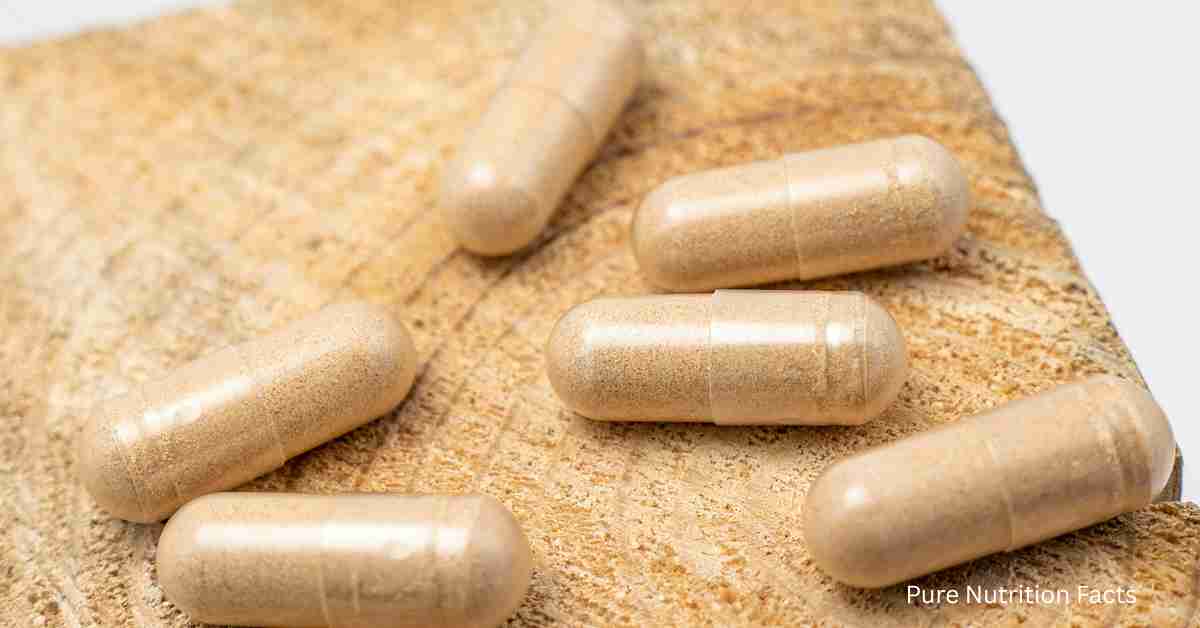
Tip: psyllium thickens quickly. If you dislike the texture, try capsules (you’ll need several to reach a full dose), or stir the powder into a smoothie, yogurt or oatmeal. Our chia seed pudding is another easy fiber boost.
Side effects and safety
Gas, bloating and mild cramps are common in the first couple of weeks and usually ease as your body adjusts. Cutting back to a smaller dose and increasing more slowly helps.
Who should be careful
- Swallowing problems: bulk-forming fibers can swell and cause choking if taken without enough fluid. Don’t use them if you have difficulty swallowing or a narrowed esophagus.
- Bowel obstruction or narrowing: avoid fiber supplements if you’ve had a bowel obstruction, a stricture, or have severe slow gut motility, unless your doctor advises them.
- Medicines: fiber can reduce absorption of drugs including levothyroxine, digoxin, lithium, carbamazepine and some diabetes medicines. Separate doses by at least 2 hours.
- Diabetes: psyllium can lower blood sugar. If you take insulin or sulfonylureas, monitor your levels when you start.
- Allergy: psyllium powder can cause allergic reactions, especially in people who handle it often, such as nurses. Stop if you get a rash, itching or breathing problems.
- Children and pregnancy: ask your doctor or pediatrician before using a fiber supplement.
Food vs supplements
Supplements provide one type of fiber, while whole foods provide a mix of fibers plus vitamins, minerals and plant compounds. Diets rich in fiber from food are linked to lower risks of heart disease, type 2 diabetes and colorectal cancer, and most of that evidence comes from food, not pills. Use a supplement to fill the gap, not to replace fiber-rich meals.
Simple swaps add up fast: a cup of lentils has about 16 grams of fiber, 2 tablespoons of chia seeds about 10 grams, and a cup of raspberries 8 grams. See our guides to high-fiber foods, fruits high in fiber and chia vs flax seeds for more ideas.
How much fiber do you eat now? Add up your daily fiber and see how close you are to your target.
Related on Pure Nutrition Facts: our probiotics guide.
Fiber supplements FAQ
What is the best fiber supplement for constipation?
Psyllium husk has the best evidence and is recommended by US gastroenterology guidelines. Methylcellulose is a good alternative if psyllium causes too much gas.
Is it OK to take a fiber supplement every day?
Yes, for most healthy adults. Drink plenty of water, keep medicines at least 2 hours apart, and still aim to get most of your fiber from food.
When is the best time to take fiber?
Any time that suits you and keeps it away from your medicines. Taking psyllium before meals may help with fullness and blood sugar.
Can fiber supplements cause constipation?
They can if you don’t drink enough water, or if you increase the dose too quickly. Increase gradually and drink a full glass of water with each dose.
How long does psyllium take to work?
It usually starts working within 12 to 72 hours, with the full effect on regularity after 1 to 3 weeks of daily use.
Sources
- Chang L, et al. (2023). AGA–ACG clinical practice guideline: pharmacological management of chronic idiopathic constipation.
- Lacy BE, et al. (2021). ACG clinical guideline: management of irritable bowel syndrome.
- Jovanovski E, et al. (2018). Effect of psyllium (Plantago ovata) fiber on LDL cholesterol and alternative lipid targets: a systematic review and meta-analysis.
- Harvard Health Publishing. Psyllium fiber: regularity and healthier lipid levels?
- US Code of Federal Regulations. 21 CFR 101.81: Health claims for soluble fiber from certain foods and risk of coronary heart disease.
- NIDDK. Eating, diet and nutrition for constipation.
- FDA. What’s on the Nutrition Facts label.