
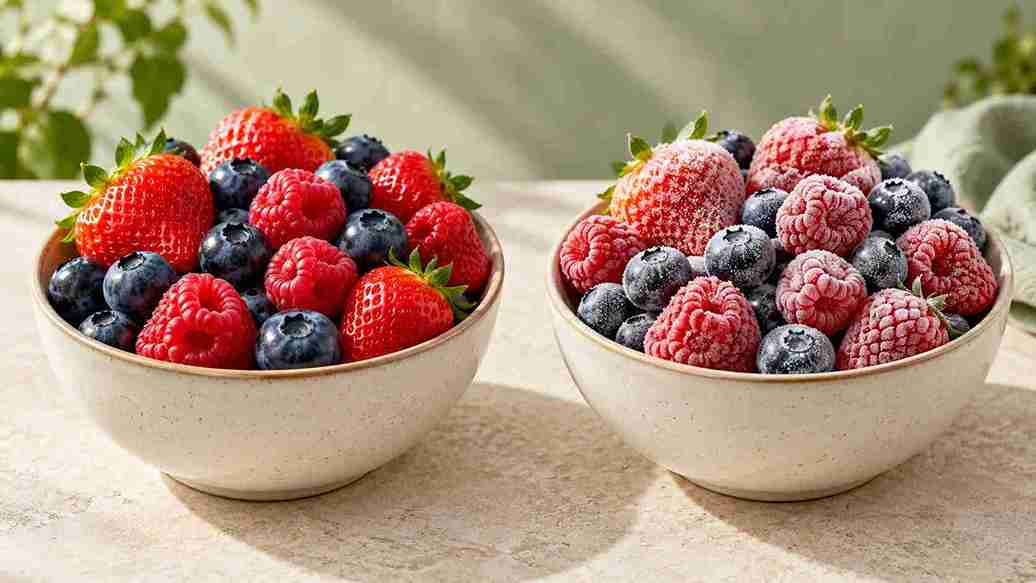
Short answer: Fresh and frozen fruit can both fit into a varied diet. Choose according to taste, cost, storage and intended use, and check packaged fruit for added sugar.
Comparing Nutritional Benefits of Frozen vs Fresh Fruit
When it comes to incorporating fruit into your diet, you may find yourself torn between frozen and fresh options. Both have their own unique benefits, but how do they stack up nutritionally?
Nutritional Profiles
Fresh fruits are often praised for their vibrant flavors and crisp textures. They are packed with vitamins, minerals, fiber, and antioxidants. However, the nutritional content of fresh fruits can decline over time. Once harvested, fruits begin to lose nutrients as they sit on grocery store shelves. This loss can be especially significant if you buy fruits that are out of season or travel long distances to reach you.
Frozen fruits, on the other hand, can be just as nutritious—if not more so—than fresh fruits. They are usually harvested at their peak ripeness and flash-frozen within hours. This method helps preserve the vitamins and minerals that might otherwise degrade in fresh fruits. Research shows that certain nutrients in frozen fruits may not only be retained but can sometimes be higher than those in fresh varieties that have been in storage longer.
Key Nutritional Differences
Here’s a comparison of some common nutrients found in fruit:
- Vitamin C: Fresh oranges are known for their vitamin C content, but if they’ve been stored for too long, frozen oranges can have equal or greater levels.
- Antioxidants: Berries, including strawberries and blueberries, often retain their antioxidant properties better in their frozen state.
- Fiber: Both fresh and frozen fruits provide ample fiber, which is important for gut health. There’s negligible difference here.
- Caloric Content: The caloric value of both fresh and frozen fruits is similar, making either option a healthy addition to your diet.
Storage Considerations
Storage plays a significant role in the choice between frozen and fresh fruits. Fresh fruits need to be treated with care. They often have short shelf lives, and improper storage, such as ripening too much, can lead to spoilage. It’s important to store fresh fruits in the right environment—usually in the fridge or at room temperature, depending on the fruit type—to maximize their lifespan.
Frozen fruits come with less worry about spoilage. When stored correctly in the freezer, they can last anywhere from six months to a year or more. The key is to prevent freezer burn by ensuring they’re in airtight packaging. This makes frozen fruits not only convenient but also a smart choice for reducing food waste.
Uses in Cooking and Baking
When it comes to versatility in cooking and baking, both options shine in different ways. Fresh fruits can be enjoyed raw, added to salads, or used as toppings on desserts. Their texture and flavor make them a favorite for snacks and meals alike.
Frozen fruits, while they may lack the same crunch, offer convenience for smoothies, sauces, and baked goods. They blend smoothly into drinks, create rich compotes, and add flavor to dishes without the need for further slicing or dicing. This makes frozen fruits a valuable asset in any kitchen, especially for those looking to save time without sacrificing nutritional quality.
Which is Better for You?
The answer truly depends on your personal preferences and lifestyle. If you’re looking for immediate use and enjoy the textures of fresh fruit, that may be your best bet. However, when convenience, longer storage, and minimal nutrient loss are primary concerns, frozen fruit shines brightly.
Ultimately, incorporating a mix of both fresh and frozen fruits into your diet can ensure you’re maximizing your nutrient intake. Both offer unique benefits that can cater to your personal taste and needs, making it easy and enjoyable to maintain a healthy lifestyle.
So whether you’re blending a smoothie with frozen berries or biting into a crisp, fresh apple, you can feel good knowing that both frozen and fresh fruits bring significant nutrition to your plate.
Best Practices for Storing Frozen and Fresh Fruit
Storing fruit correctly is essential for maintaining both its flavor and nutritional value. Whether you choose fresh or frozen options, understanding the best practices for storing these delicious bites will enhance their quality and extend their shelf life.
If you’ve chosen fresh fruit, the first step is to know how to store it properly. Different fruits require different conditions, so consider these best practices:
- Keep it cool: Most fresh fruits do well in a cool, dry place. However, some, like bananas and peaches, thrive at room temperature until they ripen. Store them separately from other fruits to prevent overripening.
- Use moisture wisely: Some fruits, such as berries, are highly perishable. To keep them fresh for longer, do not wash them until you’re ready to eat them. Place them in a breathable container and store it in the fridge.
- Separate ethylene producers: Certain fruits produce ethylene gas, which speeds up ripening. Apples, pears, and avocados are examples. Store them away from ethylene-sensitive fruits and vegetables to avoid premature spoiling.
- Monitor your fruit: Check your fruits regularly for any spoilage. Remove any damaged or overripe pieces to prevent them from affecting those that are still good.
For frozen fruit, proper storage methods are equally important. Keeping fruit frozen maintains its texture and taste, and reduces the loss of nutrients. Here’s how to do it right:
- Choose high-quality fruit: Start with ripe, fresh fruit for freezing. Underripe or damaged fruit can lead to poor quality once thawed.
- Wash and cut: Thoroughly wash your fruit to remove any dirt or pesticides. Cutting fruit into small, uniform pieces can make it easier to use later.
- Flash freeze: To avoid clumping, spread the fruit in a single layer on a baking sheet and freeze for a few hours. This technique allows each piece to freeze individually, ensuring easy portions later.
- Use airtight containers: Once frozen, transfer the fruit into resealable plastic bags or airtight containers. Remove as much air as possible to prevent freezer burn, which can affect the taste and texture.
- Label and date: Always label your containers with the name of the fruit and the date it was frozen. This practice will help you keep track of the quality and freshness over time.
When it comes to thawing frozen fruit, patience is key. Avoid using a microwave, as this can alter the texture significantly. Instead, let it thaw in the refrigerator overnight or on the counter for a few hours. This gentle method preserves the fruit’s quality.
Both fresh and frozen fruits into your meals can elevate their nutritional value. For fresh fruits, think about including them in salads, smoothies, or just as a healthy snack. Frozen fruits are incredibly versatile too and can be added to oatmeal, yogurt, or smoothies. They can also be used in baking or cooked into sauces.
Mastering the storage of fresh and frozen fruits will ensure that you always have nutritious options on hand. By using the techniques mentioned here, you’ll maximize the shelf life of your fruit while preserving its quality. Whether you opt for fresh pit fruits, berries, or frozen blends, enjoy the flavors and health benefits they provide.
Culinary Uses: How to Incorporate Frozen and Fresh Fruit into Your Diet
Frozen and fresh fruit into your diet can add vibrant flavors and vital nutrients to your meals. Both options come with their distinct advantages and can be used creatively in various culinary approaches. Let’s explore how you can effectively bring these fruits into your kitchen and enjoy their delicious benefits.
Understanding the Benefits of Each Type
Fresh fruit is often synonymous with brightness, flavor, and texture. It tends to retain its natural crispness and can be a joy to munch on as a quick snack. Fresh fruit is best consumed shortly after harvesting to maximize its nutritional value. Here are some examples:
- Apples
- Oranges
- Berries
- Bananas
On the other hand, frozen fruit offers an excellent alternative, especially when fresh options are out of season. Frozen fruit is typically picked at peak ripeness and quickly frozen, which helps lock in nutrients. This makes it just as nutritious, if not more so, than fresh fruit that has traveled long distances. Common frozen fruits to consider include:
- Mango
- Pineapple
- Blueberries
- Peaches
Snacks and Quick Treats
Both fresh and frozen fruits can be turned into exciting snacks. For quick, nutritious bites, try the following:
- Slice fresh apples or pears and serve with peanut butter or almond butter.
- Make a fruit salad with fresh berries, bananas, and a drizzle of honey.
- Blend frozen fruit, such as mixed berries or mango, with yogurt for a smoothie bowl.
- Create frozen fruit pops by blending fruits like pineapple or strawberries with coconut water and pouring them into molds.
Breakfast Boosters
Adding fruits to your breakfast is an excellent way to kick-start the day. You can use both fresh and frozen options in similar ways.
- Add fresh mushed bananas or slices to your oatmeal or cereal.
- Top Greek yogurt with frozen strawberries or blueberries for added texture and flavor.
- Mix in diced fresh peaches or frozen mangoes to your smoothies for a tropical twist.
- Stir some frozen berries into pancake or waffle batter for colorful and flavorful results.
In Salads and Salsas
Integrating fruits into salads can elevate their taste and nutritional content. Whether you use fresh or frozen, here’s how:
- Incorporate fresh mango or diced strawberry into your green salads for sweetness and color.
- Make a refreshing salsa with diced fresh pineapple, jalapeños, and cilantro.
- Use frozen blackberries in a spinach salad, allowing them to thaw slightly while you prepare other ingredients.
Baking and Cooking Applications
Baking with fruit can enhance both flavor and moisture in your recipes. Here are some suggestions for utilizing fruits in your baking and cooking:
- Mix fresh blueberries or chopped bananas into muffins or bread dough.
- Use frozen cherries or strawberries to make a sweet pie or cobbler.
- Stir sliced peaches into your favorite barbecue sauce for a fruity glaze.
- Incorporate fresh oranges or lemons into marinades for chicken or fish for a refreshing zing.
Frozen Fruit Smoothies
Frozen fruits are perfect for smoothies, providing a creamy texture without the need for ice. Blend them with your favorite bases, such as:
- Almond milk or yogurt for added creaminess.
- Spinach or kale for a nutrient-packed green smoothie.
- Protein powder or nut butter for an extra boost.
Both frozen and fresh fruits have their benefits and can be used creatively in many meals throughout the day. By incorporating these fruits into snacks, breakfasts, salads, baking, and smoothies, you can enjoy their flavors and nutrition easily and deliciously. It’s all about being imaginative and making the most out of what both fresh and frozen options have to offer. Feel free to experiment and discover your favorite combinations!
The Impact of Freezing on Fruit Flavor and Texture
When it comes to enjoying fruits, you’re often faced with a choice: should you opt for fresh or frozen? Understanding the impact of freezing on fruit flavor and texture can help you make the best choice for your needs. Fruits are rich in vitamins, minerals, and antioxidants, making them an essential part of a healthy diet. However, their flavor and texture can greatly differ when frozen compared to their fresh counterparts.
Freezing fruits involves a process that typically includes blanching, cooling, and then storing the fruits in a freezer. This method aims to preserve the fruit’s nutritional value while extending its shelf life, but it also influences the overall taste and texture in several ways.
Flavor Changes in Frozen Fruits
One of the main concerns with frozen fruits is how their flavor changes during the freezing process. Many factors contribute to these flavor changes:
- Ripeness at Freezing: Fruits that are at peak ripeness before being frozen retain much of their fresh flavor. If fruits are not fully ripe, they may not develop the sweet, vibrant taste typically associated with their fresh forms.
- Freezing Method: Quick freezing, often called flash freezing, helps preserve the flavor better than traditional freezing methods. When fruits are frozen quickly at extremely low temperatures, the formation of ice crystals is reduced, which helps maintain their flavor.
- Additives: Some commercially frozen fruits contain added sugars or syrups. These additives can enhance flavor, but they also alter the nutritional value, skewing the health benefits of the fruit.
In general, while frozen fruits can lack some of the garden-fresh nuances, they can still be delicious, especially when used in smoothies or baked goods where strong flavors shine through.
Texture Transformation in Frozen Fruits
The texture of fruit is another significant aspect affected by freezing. Water inside the fruit expands when frozen, leading to the formation of ice crystals. This process has several consequences:
- Cellular Structure: When fruits are frozen, the ice crystals can rupture the cell walls. This damage can result in a softer, mushier texture once the fruit is thawed. For example, strawberries often lose their firm texture and can become mushy when defrosted.
- Usage in Recipes: Depending on the recipe, this softer texture can be advantageous or disadvantageous. If you’re making a fruit smoothie, the texture of frozen fruit works well. However, if you’re looking to use frozen fruits in salads or as a fresh garnish, the altered texture can be less appealing.
Comparing Nutritional Value
From a nutritional perspective, many believe that fresh fruits are superior. However, research shows that frozen fruits can be just as nutritious, sometimes even more so. Here’s a breakdown:
- Preservation of Nutrients: Frozen fruits are often harvested at their peak ripeness, leading to optimal nutrient retention. When frozen quickly, they maintain most of their vitamins and minerals.
- Storage Time: Fresh fruits may lose nutrients over time while sitting in your fridge. Frozen fruits can last months, keeping their nutrient profile intact.
Best Uses for Fresh and Frozen Fruits
Using fruits effectively means understanding where each type shines. Fresh and frozen fruits both have unique advantages.
- Fresh Fruits: Ideal for snacking, garnishing, and salads, fresh fruits typically provide a crisp and enjoyable bite. They are best consumed shortly after purchasing to maximize flavor and texture.
- Frozen Fruits: Perfect for smoothies, desserts, sauces, and baking. Their softer texture blends well into recipes, while their long shelf life means you can have fruity goodness year-round.
In the end, whether you choose frozen or fresh fruits depends on your individual needs and preferences. While both can offer health benefits, considering how freezing affects flavor and texture will help you enjoy fruits in their best form. Understanding these differences is key to making informed choices for your diet. So the next time you reach for fruit, think about how freezing might play into your culinary plans!
Environmental Considerations: Frozen vs Fresh Fruit and Sustainability
When choosing between frozen and fresh fruit, it’s not just about taste or convenience; environmental considerations play a crucial role in sustainability. Understanding the impact of these two options helps you make informed choices that benefit both your health and the planet.
Fresh fruit is often praised for its vibrant taste and nutritional quality. However, the journey from farm to table contributes significantly to its carbon footprint. For instance, fresh fruits that are not locally sourced usually travel long distances. This transportation requires fuel, leading to greenhouse gas emissions. Additionally, fresh fruit is often packaged in plastic, contributing to environmental waste.
On the other hand, frozen fruit can offer a more sustainable option. Once harvested, fruits destined for freezing are processed quickly, which helps lock in nutrients. This rapid processing means less spoilage during transport, as frozen fruits often do not require the same level of preservation and protection as fresh fruit. Furthermore, when fruits are frozen, they can be transported more efficiently, potentially reducing the emissions associated with shipping.
Here are several factors to consider regarding frozen vs fresh fruit and their environmental impact:
- Transportation: Fresh fruit frequently travels great distances, increasing its carbon footprint. Frozen fruit is often processed closer to the harvest location, which can mean reduced emissions.
- Waste: Fresh fruit has a shorter shelf life and may spoil before consumption. On the contrary, frozen fruits can last for months, minimizing food waste.
- Pesticide Use: Some frozen fruits are blanched before freezing, which can reduce the amount of pesticide residue. If you buy organic fresh fruit, though, you can avoid most chemicals.
- Packaging: Fresh fruit often comes packaged in plastic, while frozen fruit may use fewer materials, especially if bought in bulk.
- Seasonality: Fresh fruits, especially non-local ones, may only be available at certain times of the year, potentially leading to reliance on imported fruits. Frozen fruits can provide year-round access without the environmental impact of transportation during off-seasons.
In terms of nutrition, both fresh and frozen fruits provide essential vitamins and minerals. Some studies show that freezing can actually preserve nutrient levels, particularly when flash frozen. In contrast, fresh fruit can lose nutrients over time, especially if not stored correctly. This means that in some cases, frozen fruit might be a more nutritious option.
Your choice may also depend on how you plan to use the fruit. For immediate consumption, fresh fruit often wins out in terms of taste and texture. However, if you’re planning to use fruit in smoothies, baking, or cooking, frozen fruit can be more practical without sacrificing quality or health benefits. It’s also worth noting that when fresh fruit goes out of season, choosing frozen can be a more sustainable choice than purchasing out-of-season imports.
Storage is another consideration. Fresh fruit requires careful handling and often needs refrigeration to extend its life. In contrast, frozen fruit is stored in your freezer, allowing for greater flexibility. You can keep frozen fruit on hand for longer periods, reducing the likelihood of spoilage. This is particularly advantageous for families or individuals who don’t consume fruit at a fast rate.
In the context of sustainability, it’s important also to consider local, seasonal options. Supporting local farms can help minimize the carbon footprint associated with transporting fresh fruit. If you choose to buy fresh fruit, looking for local produce at farmers’ markets might offer a sustainable alternative while still delivering freshness and flavor.
Ultimately, both frozen and fresh fruits have their advantages and disadvantages. Making choices that consider the environmental impacts of your food can contribute positively to sustainability. Whether you reach for a bag of frozen berries or a juicy peach, being mindful of how your food affects the planet will help you make choices aligned with a more sustainable lifestyle.
Conclusion
When it comes to choosing between frozen and fresh fruit, both options have their unique advantages and considerations. Nutritionally, you’ll find that frozen fruits often retain their vitamins and minerals, thanks to quick freezing after harvest, making them just as beneficial as fresh varieties. While fresh fruit boasts superior taste and texture in some cases, certain frozen fruits can still hold their own in flavor, particularly when prepared thoughtfully in recipes.
Proper storage is crucial for maintaining the quality of both fresh and frozen fruits. Fresh fruits should be kept cool and dry, while frozen fruits should remain sealed in airtight containers or bags to prevent freezer burn. Understanding the best practices for storage can help you maximize the freshness and nutritional value you get from your fruits, regardless of their form.
Fruits into your diet can be simple and enjoyable whether you prefer fresh or frozen. Smoothies, desserts, and savory dishes all benefit from the addition of fruits, making them versatile ingredients in your meals. It’s important to consider personal preference and recipe requirements when deciding which type to use.
From an environmental standpoint, both fresh and frozen fruits come with their sustainability challenges. Seasonality, transportation emissions, and waste all play a role in your choices. By being mindful of these factors, you can make intentional decisions that benefit both your health and the planet. Ultimately, the choice between frozen and fresh fruit comes down to your lifestyle, taste preferences, and nutritional goals, ensuring that you can enjoy the best that fruits have to offer, no matter the form.
Related guides
More guides you may find useful: how to ripen fruit and fruits in season.