
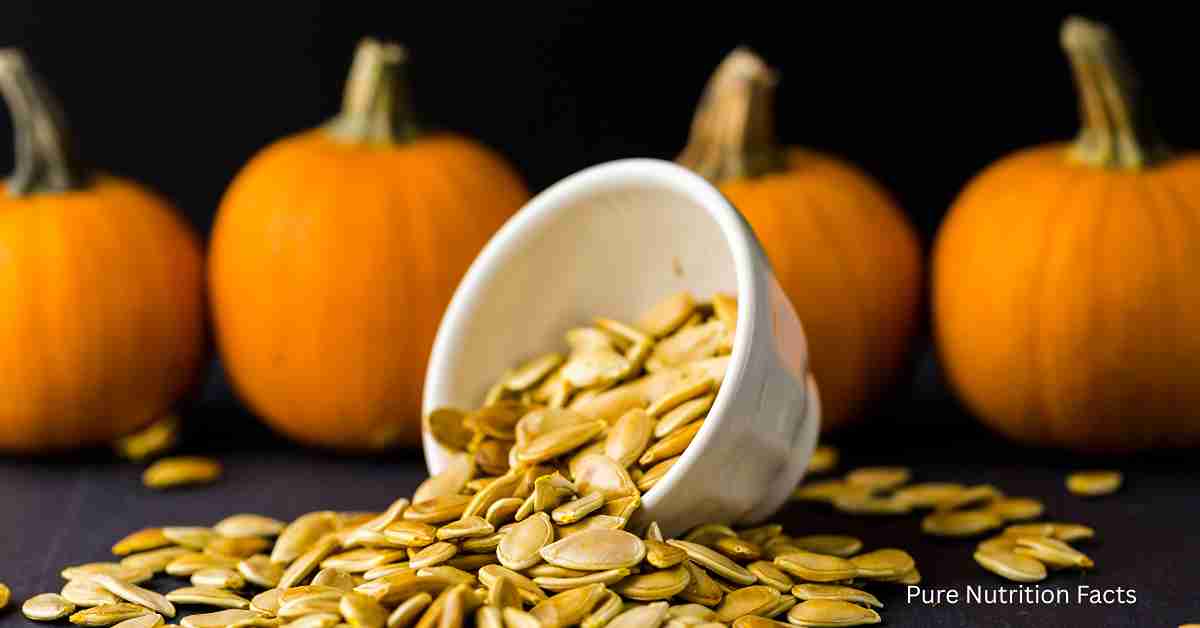
Short answer: To make pumpkin seed pesto, toast ½ cup of pepitas in a dry pan, then blend them with 2 cups of basil, ¼ cup of Parmesan, 2 garlic cloves, lemon juice, salt and ⅓ cup of olive oil. It takes 15 minutes and makes about 1 cup. Each 2-tablespoon serving has about 144 calories, 4 grams of protein and 56 mg of magnesium, and it’s naturally nut-free.
Classic pesto uses pine nuts, which are expensive and off-limits for anyone with a tree nut allergy. Pepitas, the green hulled seeds of pumpkins, make a brilliant swap. Once toasted, they taste rich and nutty, blend into a creamy sauce, and cost a fraction of the price. The result is a bright, garlicky pesto that works on pasta, sandwiches, roasted vegetables, eggs and grain bowls.
For the full nutrition of the seeds, see our pumpkin seeds nutrition guide, or try our roasted pumpkin seeds. Browse more recipes here.
Pumpkin seed pesto at a glance
- Makes
- About 1 cup (8 servings of 2 tablespoons)
- Time
- 15 minutes
- Calories
- About 144 per 2 tablespoons
- Magnesium
- About 56 mg per serving (13% DV)
- Diet
- Vegetarian, gluten-free, nut-free; vegan with nutritional yeast
- Keeps
- 4 days in the fridge or 6 months frozen
Why this recipe works
- Toasting brings out flavor: raw pepitas taste mild and grassy. A few minutes in a dry pan makes them nutty and slightly sweet, much closer to pine nuts.
- Seeds first: chopping the pepitas and garlic before adding the basil gives a smooth texture without overworking the basil, which can turn bitter and dark.
- Lemon for brightness: a little lemon juice balances the richness of the seeds and oil and helps keep the green color.
- Oil added slowly: streaming the oil in while blending creates a creamy, emulsified sauce that doesn’t separate as quickly.
Ingredient notes and swaps
- Pepitas: buy raw, unsalted, hulled pumpkin seeds. If you only have roasted, salted pepitas, skip the toasting step and the added salt. Whole pumpkin seeds with shells don’t work here.
- Greens: swap half or all of the basil for baby spinach, arugula, kale or cilantro. Cilantro and pepitas with lime juice make a great Mexican-style pesto for tacos.
- Vegan: replace the Parmesan with 2 tablespoons of nutritional yeast and add an extra pinch of salt.
- Lighter version: use ¼ cup of olive oil plus 3 to 4 tablespoons of water. It saves about 20 calories per serving.
- Garlic: for a milder flavor, use one clove or blanch the garlic in boiling water for 30 seconds first.
- Allergies: this pesto is free of tree nuts and peanuts, but check labels, as some seeds are processed in facilities that handle nuts. It contains dairy unless you make the vegan swap.
Pumpkin Seed Pesto
Ingredients
Method
- Toast the pepitas in a dry skillet over medium heat for 3 to 5 minutes, stirring often, until they puff slightly, start to pop and smell nutty. Tip onto a plate to cool for a few minutes.
- Add the cooled pepitas, garlic and salt to a food processor and pulse until finely chopped.
- Add the basil, Parmesan and lemon juice and pulse until the basil is finely chopped, scraping down the sides once or twice.
- With the motor running, slowly pour in the olive oil and blend until fairly smooth. Add cold water a tablespoon at a time if you want a looser pesto.
- Taste and adjust with more salt or lemon juice. Use right away, or transfer to a jar, smooth the top and cover with a thin layer of olive oil before refrigerating.
Notes
Nutrition per serving
We calculated the nutrition from USDA FoodData Central values for each ingredient, divided into 8 servings of about 2 tablespoons.
| Per 2 tablespoons | Amount | % Daily Value |
|---|---|---|
| Calories | 144 | – |
| Protein | 3.7 g | 7% |
| Fat | 14.2 g | 18% |
| Saturated fat | 2.5 g | 13% |
| Carbohydrates | 1.9 g | 1% |
| Magnesium | 56 mg | 13% |
| Iron | 1 mg | 6% |
| Vitamin K | 27 mcg | 22% |
| Calcium | 41 mg | 3% |
| Sodium | 130 mg | 6% |
Calculated from USDA FoodData Central: pumpkin and squash seed kernels, dried (FDC 170556); basil, fresh (172232); Parmesan, grated (171247); garlic (169230); lemon juice (167747); olive oil (171413); table salt (173468).
Most of the calories come from olive oil, which is mainly monounsaturated fat. The pepitas add protein, magnesium, iron and zinc, and the basil supplies vitamin K. Compared with a typical store-bought pesto, this version is usually lower in sodium. A little goes a long way: 2 tablespoons is enough to coat a serving of pasta. For other ways to get more magnesium, see our list of magnesium-rich foods, and for zinc, our zinc guide.
Compare seeds and nuts. Look up the full nutrition of pumpkin seeds or any other food.
Ways to use pumpkin seed pesto
- Pasta: toss with hot pasta and a splash of the starchy cooking water to make a silky sauce. Use about 2 tablespoons per serving.
- Sandwiches and wraps: spread instead of mayonnaise on a turkey, chicken or roasted vegetable sandwich.
- Roasted vegetables: drizzle over roasted squash, carrots, potatoes or cauliflower straight from the oven.
- Eggs: swirl into scrambled eggs or spoon over a fried egg on toast.
- Grain bowls: thin with lemon juice and water to make a dressing for quinoa, farro or lentil bowls.
- Protein: spoon over grilled chicken, salmon or white beans.
- Dip: stir 2 tablespoons into ½ cup of Greek yogurt for a quick dip for vegetables.
Storage and food safety
- Fridge: store in a small jar with a thin layer of olive oil on top to slow browning. Use within 4 days.
- Freezer: freeze in an ice cube tray, then transfer the cubes to a freezer bag. They keep for up to 6 months and thaw in minutes. For the best flavor, you can leave out the cheese and stir it in after thawing.
- Don’t leave it out: homemade pesto contains raw garlic in oil, which can support the growth of the bacteria that cause botulism if kept at room temperature. Always refrigerate it and don’t leave it out for more than 2 hours.
- Color change: the surface may darken in the fridge as basil oxidizes. It’s still safe; just stir it in.
Related on Pure Nutrition Facts: our pumpkin seeds vs sunflower seeds comparison.
Pumpkin seed pesto FAQ
Can I make pesto without a food processor?
Yes. Use a blender, adding the oil first so the blades can move, or chop everything very finely with a knife and stir in the oil for a rustic pesto.
Is pumpkin seed pesto safe for nut allergies?
Pumpkin seeds aren’t tree nuts, so this pesto is usually suitable. Check that your pepitas weren’t processed alongside nuts if the allergy is severe.
Why is my pesto bitter?
Over-blending basil, very strong olive oil or burnt seeds can make pesto bitter. Pulse the basil briefly, toast seeds gently, and try a milder oil.
Is pumpkin seed pesto healthy?
In small portions, yes. It’s rich in healthy fats, magnesium and vitamin K. It’s calorie-dense, so stick to about 2 tablespoons per serving.