Herbal Teas for Sleep: 8 Options and What Research Says

Chamomile, valerian, lemon balm, lavender, passionflower and more compared: what the research shows, how to brew them, and who should be careful.

 B Mishra
Chamomile, valerian, lemon balm, lavender, passionflower and more compared: what the research shows, how to brew them, and who should be careful.
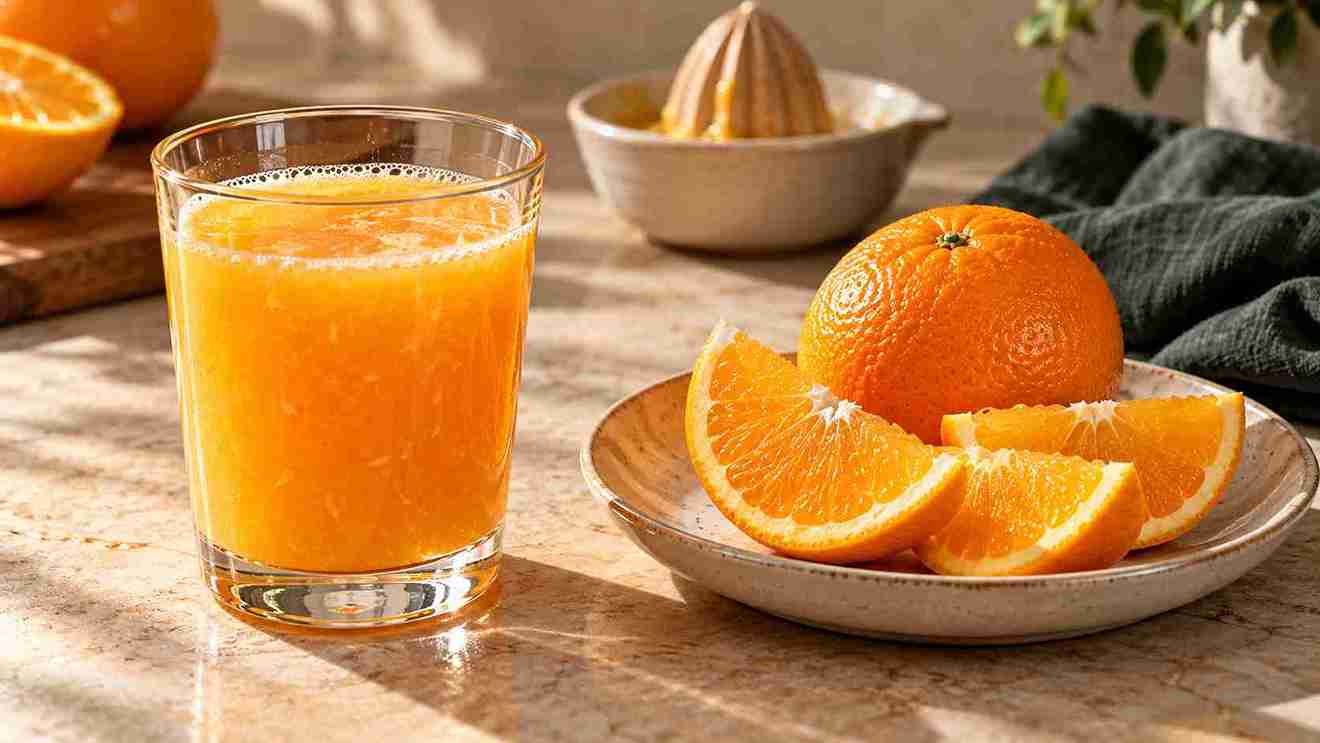
Short answer: Whole fruit usually retains more fiber than strained juice. A smoothie made with the whole edible fruit retains more fiber than juice, but portions and added ingredients still matter. On this page Juicing vs Eating Whole Fruit: An In-Depth Comparison of Fiber, Sugar, and Nutrition The Impact of Fiber on Digestion: Whole Fruits … Read more
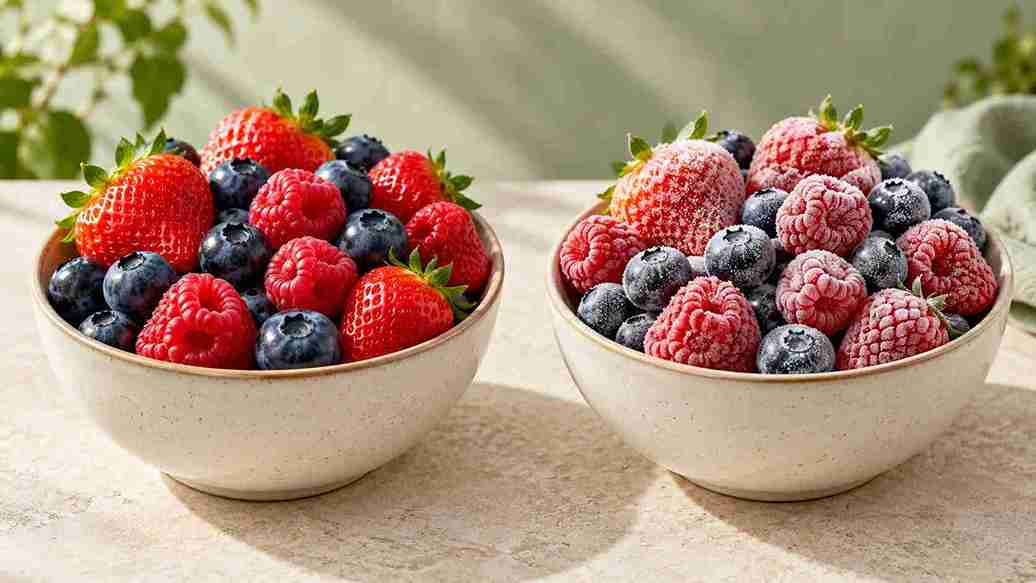
Short answer: Fresh and frozen fruit can both fit into a varied diet. Choose according to taste, cost, storage and intended use, and check packaged fruit for added sugar. On this page Comparing Nutritional Benefits of Frozen vs Fresh Fruit Best Practices for Storing Frozen and Fresh Fruit Culinary Uses: How to Incorporate Frozen and … Read more

Short answer: The right amount of fruit depends on age, energy needs and personal circumstances. Use the serving examples below to understand portions rather than treating one amount as a rule for everybody. On this page How Much Fruit Should You Eat a Day? Understanding Recommended Serving Sizes The Health Benefits of Eating Fruits Daily … Read more

Short answer: Fruit seasons vary across the United States. Use a monthly guide as a starting point, then check local growers for the harvest dates in your region. On this page Exploring Fruits in Season by Month: A Comprehensive Guide for the US The Health Benefits of Eating Seasonal Fruits How to Select and Store … Read more
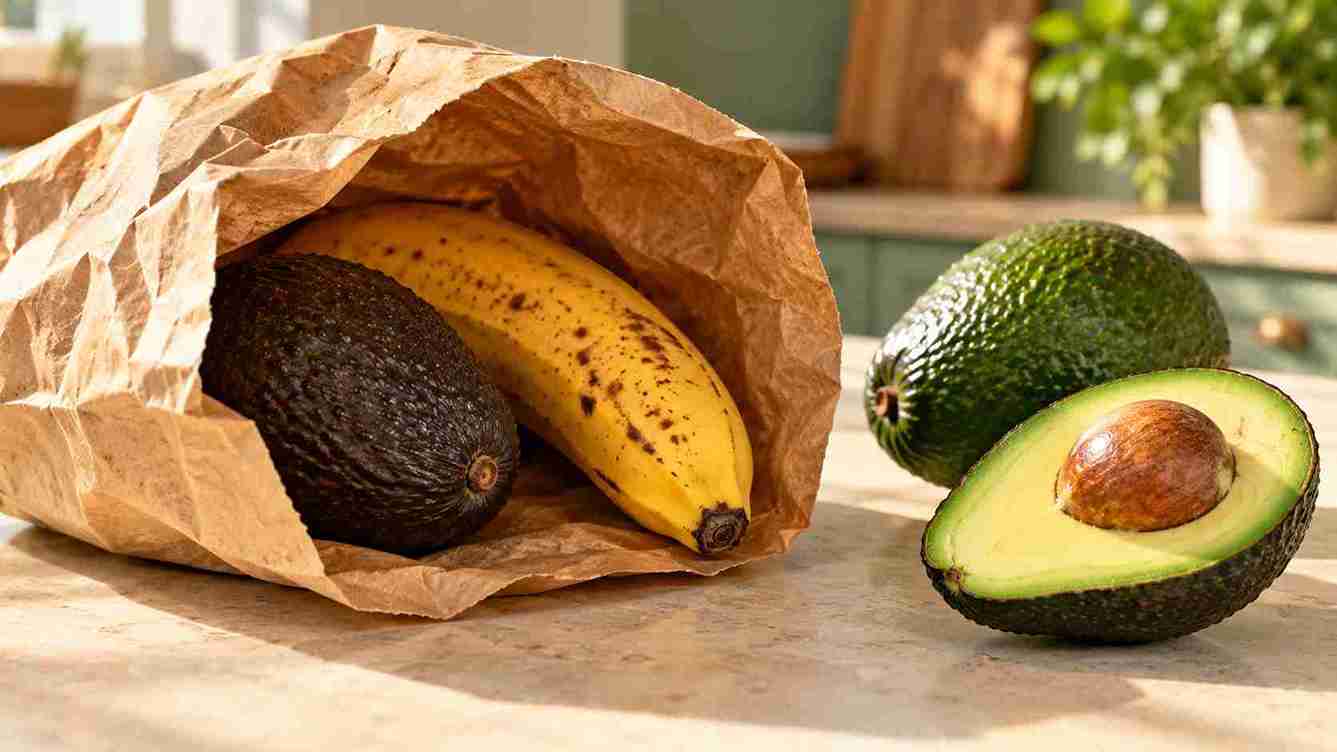
Short answer: A paper bag can help certain fruits ripen by trapping ethylene. This works only for fruits that continue ripening after harvest; it cannot make every unripe fruit sweeter. On this page Techniques on How to Ripen Fruit Faster at Home The Science Behind Fruit Ripening Processes A Guide to Fruits That Continue to … Read more

Short answer: Some fruits ripen on the counter; others keep better in the refrigerator. Store fruit according to its type, keep damaged fruit separate, and refrigerate cut fruit promptly. On this page Effective Methods for How to Store Fruit So It Lasts Longer The Role of Temperature in Fruit Storage Common Mistakes When Storing Fresh … Read more
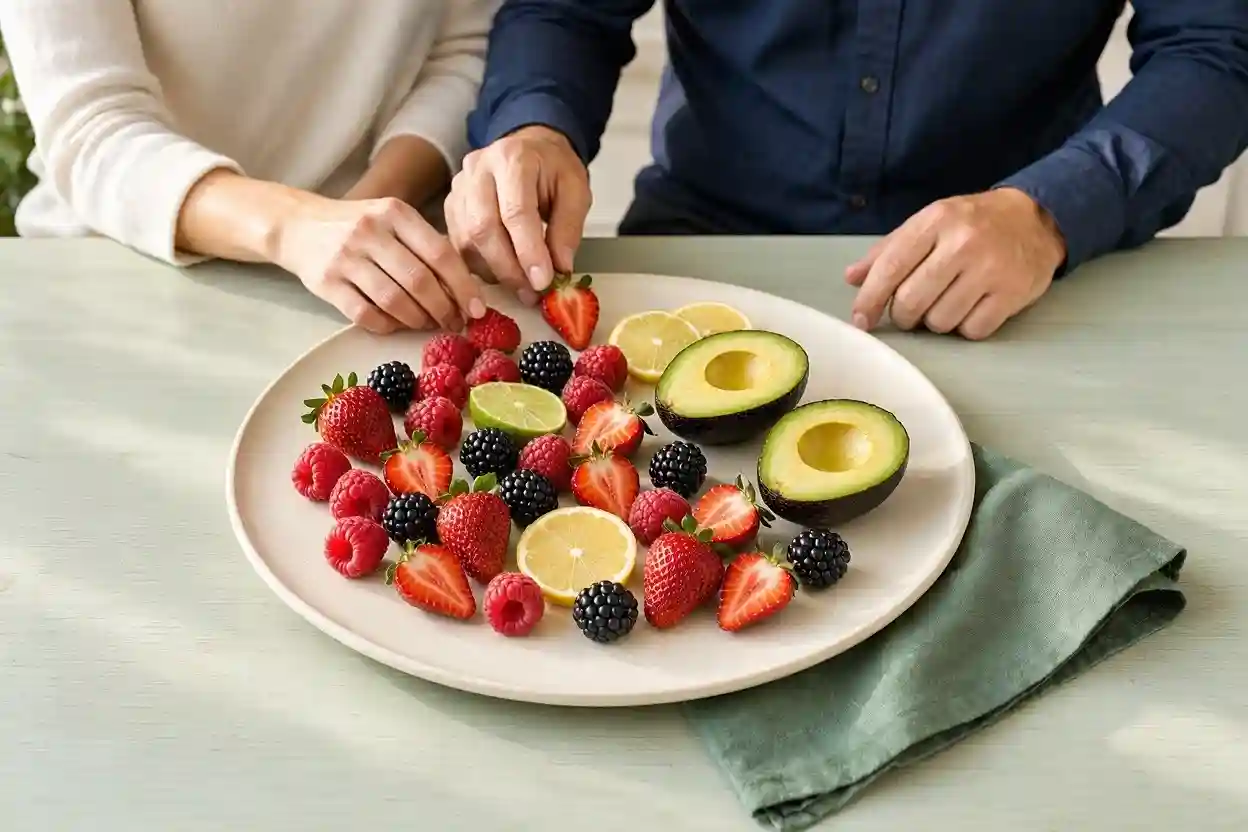
Short answer: Berries, citrus and several other fruits offer options with relatively little sugar per portion. Serving size matters, and sugar content alone does not describe the nutritional value of a whole fruit. On this page Exploring Low-Sugar Fruits: 15 Options With Sugar Amounts per Serving The Health Benefits of Incorporating Low-Sugar Fruits in Your … Read more

Short answer: Edamame, peas and some other vegetables contribute protein, but portions and preparation change the numbers. Combine vegetables with other protein foods when building a meal. On this page Exploring High-Protein Vegetables: Nutritional Benefits and Varieties How to Incorporate High-Protein Vegetables into Your Meals Comparing Protein Content: Vegetables vs. Traditional Protein Sources Plant-Based Diets: … Read more
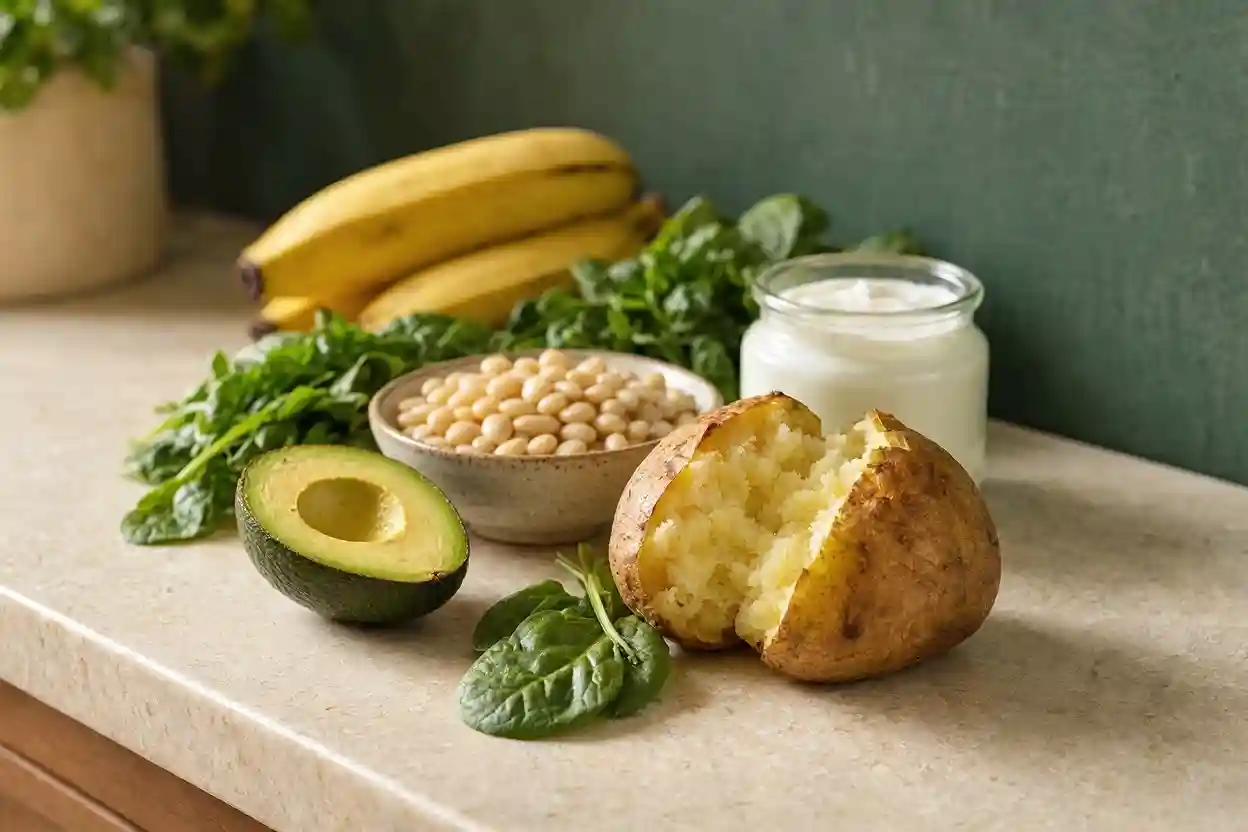
Short answer: Potassium comes from many foods, including beans, potatoes, vegetables, fruit and dairy foods. People with a prescribed potassium restriction need individual advice about suitable portions. On this page Foods High in Potassium: Top 20 Sources and Their Benefits The Importance of Potassium for Your Health Creative Ways to Incorporate High-Potassium Foods Into Your … Read more